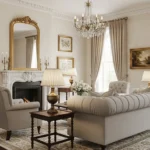

Creating a space that feels both “current” and “homey” is the ultimate balancing act. We’ve all seen those ultra-modern living rooms on Instagram that look like they belong in a sci-fi movie cool to look at, but you’d be terrified to eat a slice of pizza on the sofa. In 2026, the script has flipped. Modern interior design is no longer about cold, sharp edges or sterile white boxes. It’s about creating a sanctuary that works for your lifestyle, incorporates smart tech without looking like a data center, and feels deeply personal. Whether you are moving into a new build or looking to refresh your current space, this guide will walk you through the most effective interior design ideas for your modern home that blend high-end style with everyday livability.
Redefining the Modern Aesthetic for 2026
Modern design has taken a sharp turn toward “soulful” interiors. While the core principles of clean lines and functional spaces remain, we are seeing a massive shift away from the “millennial grey” era. Today’s modern home is defined by character. This means mixing textures, embracing slightly imperfect natural materials, and choosing quality over quantity. Unlike the trends of five years ago that focused on high-gloss finishes, the current direction favors matte surfaces and tactile experiences. When we talk about modern design today, we are talking about a home that breathes, evolves, and tells a story rather than just acting as a showroom.
The Rise of Warm Minimalism
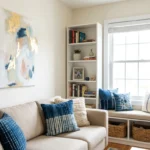
If you think minimalism is boring, you haven’t seen the “Warm Minimalism” movement. This is a huge trend for 2026 because it keeps the clutter-free benefits of traditional minimalism but swaps the icy vibes for “toasty” elements. To achieve this in your modern home, think about using a palette of creams, tans, and soft terracottas instead of stark white and black. You want to keep the surfaces clear, but the few items you do display should have a lot of visual weight think a thick-knit wool throw, a hand-thrown ceramic vase, or a chunky wooden coffee table. It’s about creating a space that feels light and airy but still gives you a “hug” when you walk through the door.
Sustainable Material Choices You Need
Sustainability is no longer a “nice-to-have” feature; it is a fundamental pillar of modern interior design. In 2026, homeowners are looking for materials that have a low environmental impact but high durability. We are seeing a surge in the use of reclaimed wood, cork flooring, and recycled metal accents. One of the coolest new entries is “Bio-materials” think furniture made from mushroom mycelium or accents crafted from recycled ocean plastics that look like high-end marble. Choosing these materials doesn’t just help the planet; it adds a unique, organic texture to your home that mass-produced synthetic materials simply can’t replicate.
Biophilic Design Bringing the Outdoors
We’ve all spent a lot more time indoors lately, and that has sparked a craving for nature. Biophilic design is about more than just putting a spider plant in the corner of the room. It’s about integrating nature into the very architecture of your home. This could mean installing floor-to-ceiling windows to maximize natural light, creating an indoor “living wall décor” of moss or ferns, or using raw stone in your entryway. The goal is to reduce stress and improve air quality by mimicking the natural world. In a modern home, this looks like clean-lined planters integrated into cabinetry or a skylight that makes your morning coffee feel like it’s being enjoyed in a garden.
Smart Home Integration That Looks Good
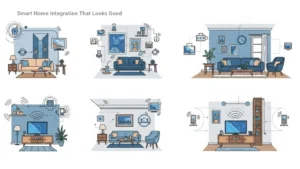
Technology should be heard (or felt) and not seen. The days of having bulky routers and tangled wires as the focal point of your living room are over. Modern design now incorporates “discreet tech.” This includes smart mirrors that display your calendar, speakers hidden behind acoustic fabric panels that look like art, and wireless charging stations built directly into stone countertops. When you are planning your modern home, think about how you can automate your environment like lighting that adjusts its color temperature based on the time of day without letting the gadgets overwhelm your decor.
The Living Room A Hub for Connection
The modern living room has moved away from being a “TV room” and back toward being a conversation pit. While the big screen isn’t going anywhere, the layout is changing. We are seeing more circular seating arrangements and “modular” sofas that can be moved around depending on whether you are hosting a party or having a quiet movie night. Rounded edges on furniture are a massive trend right now; they soften the straight lines of modern architecture and make the room feel safer and more inviting. If you want to elevate your living room, consider a low-profile sofa with deep seating—it screams luxury while remaining incredibly comfortable.
Kitchen Evolution Hidden Functionality
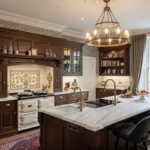
Kitchens are becoming invisible. Okay, not literally, but the “chef’s kitchen” look with pots hanging from the ceiling is being replaced by ultra-sleek, hidden designs. We are talking about “appliance garages” where the toaster and blender live behind pocket doors, and “invisible induction” cooktops that are built directly under the porcelain countertop so you can’t even see them until they are turned on. This creates a seamless flow, especially in open-concept homes where the kitchen needs to blend into the dining and living areas. For a modern look, ditch the traditional cabinet handles for “push-to-open” mechanisms or integrated finger pulls.
Bedroom Sanctuary
The modern bedroom is becoming a tech-free sanctuary focused entirely on “Sleep Hygiene.” This means the design is intentionally low-stimulus. Soft, indirect lighting is key here think LED strips behind the headboard or under the bed frame to create a floating effect. Instead of a mountain of decorative pillows, modern bedrooms are moving toward high-quality linens in monochromatic tones. Texture is your best friend in the bedroom; a bouclé chair in the corner or a silk-blend rug underfoot adds that “hotel luxury” feel without cluttering the space. The goal is to make the room feel like a deep exhale at the end of a long day.
The Modern Home Office
With hybrid work becoming the norm, the home office is no longer an afterthought tucked into a guest closet. It’s a dedicated space that needs to look good on a Zoom call but also keep you focused. Modern office design uses “Zoning” using different floor textures or paint colors to mentally separate the “work” area from the rest of the house. Ergonomics are being hidden in stylish packages; you can now find standing desks that look like mid-century modern writing tables. To keep the space feeling modern, use “floating” shelves to store your books and equipment, which keeps the floor area clear and makes the room feel larger.
Color Palettes Moving Beyond Basic Grey
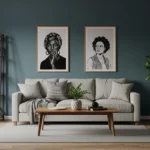
If you want your home to look modern in 2026, you need to experiment with “Color Drenching.” This is the practice of painting the walls, ceiling, and trim all in the same color to create a seamless, immersive environment. While neutrals like “greige” are still popular, we are seeing a move toward “Earth-derived” bolds. Think deep olive greens, muddy terracottas, and midnight blues. These colors feel sophisticated and “expensive” without being garish. If you aren’t ready to paint a whole room dark, try using these colors on an accent piece, like a velvet armchair or a set of lacquered kitchen cabinets.
Lighting as Architecture
In modern design, a light fixture isn’t just a bulb; it’s a sculpture. We are seeing a move away from standard recessed “can” lights toward “Statement Lighting.” Oversized pendant lights made of paper, glass, or blackened steel act as the jewelry of the room. Another huge trend is “Layered Lighting.” You should have three layers: ambient (the main light), task (reading lamps), and accent (lights that highlight art or plants). Using smart dimmers allows you to change the entire mood of the house with one tap on your phone, shifting from “bright and productive” in the morning to “moody and relaxed” in the evening.
Textural Layering for Modern Depth
The secret to a home that looks like a professional designer touched it is “Texture.” A room with only smooth surfaces feels flat and cheap. In a modern home, you want to mix materials that contrast with each other. Pair a cold, smooth marble table with a rough, jute rug. Put a sleek leather sofa next to a soft, mohair throw. This contrast creates “visual interest” and makes the room feel “expensive” even if the individual pieces weren’t. In 2026, we are also seeing the return of “Wall Textures” think lime wash paint or plaster finishes that give the walls a velvety, stone-like appearance.
Small Space Solutions for Modern Living
Modern design is particularly good at solving the “small apartment” problem. The trick is to use “multi-functional” pieces and “Visual Transparency.” Furniture with thin legs or glass tops allows light to pass through, making the room feel less crowded. “Mirror Play” is also a classic modern trick placing a large floor mirror opposite a window can double the perceived size of a room. Don’t be afraid to go big in a small space, though. One large, well-scaled sofa is often better than four small chairs, which can make a tiny living room look like a cluttered waiting room.
Multi Functional Furniture Trends
As our homes become smaller and our lives become busier, our furniture has to work harder. We are seeing a huge rise in “Transformer Furniture.” This includes dining tables that can be tucked away into a console, or ottomans that hide storage and can also serve as extra seating or a coffee table. In a modern home, every piece should have a purpose (or two). Modular shelving is also a great modern choice; it allows you to add or remove sections as your needs change, ensuring your home grows with you rather than becoming a static museum.
Incorporating Vintage Pieces in Modern Homes
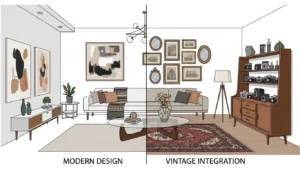
One of the most exciting trends for 2026 is the “Vintage-Modern Mix.” A home filled entirely with new, mass-produced furniture can feel soulless. By adding one or two “legacy” pieces like a 1970s chrome chair or an antique wooden chest you ground the modern elements and give the space a sense of history. This is often called “curated design.” It’s about finding pieces that have a story. This approach is also more sustainable, as it keeps old furniture out of landfills and reduces the demand for new production. The key is to keep the silhouettes clean so the vintage pieces don’t feel “dusty.”
The Role of Personal Expression
At the end of the day, the best interior design idea for your modern home is the one that makes you happy. Modern design is moving away from strict “rules” and toward “Dopamine Decor.” If you love a bright pink neon sign or a collection of quirky toy robots, find a way to integrate them. The modern way to display collections is through “Galleries” grouping items together on a shelf or wall so they look like a deliberate art installation rather than random clutter. Your home should be a reflection of your personality, not a copy-paste of a catalog page.
Conclusion
Building a modern home is an ongoing process of editing and refining. Start with the “big” things your layout, your lighting, and your large furniture and then layer in the personality over time. Remember to focus on quality materials, smart functionality, and a connection to the natural world. If you follow these principles, you won’t just have a house that looks modern today; you’ll have a home that feels timeless, comfortable, and uniquely yours for years to come.