Truth be told your living room is where real life takes place. It’s the place you crash after a long day, the spot friends gather for game nights and kids create pillow forts, the corner where you pretend to fold laundry while binge watching your favorite shows. So why settle for a space that looks like it came out of a furniture catalog from 2005.
Understand What Makes a Living Room “Modern” in 2026
One of the great things about contemporary design it ain’t all cold and lifeless lookin’ like nobody lives there. Living in 2026 Modern living rooms in 2026 are all about a “lived-in luxury,” fusing clean looks with true comfort. Less “don’t sit on that white couch” and more “let’s actually use this beautiful space.”
New design now values sustainability, dualism and personality – it comes from Theresa Mill’s hand. You’ll find natural materials making a return, practical storage solutions to stow away the detritus of daily life, and rooms that can switch from work zone one minute to entertainment hub the next. The trick is to have a room that looks intentional not untouchable.
Starting with the Foundation Floor That Sets the Tone
The floor of your living room is quite literally the base of your design, while it’s frequently forgotten in this medium. Today’s homes are transitioning from wall-to-wall to alternatives that are both simpler to maintain and more visually flexible.
Hardwood flooring is a classic option, but the latest living room floor trends can offer anything from bright to dark colors and any surface between. If you’re dealing with flooring you can’t change (because it’s a rental, for example), large area rugs can honestly make the room unrecognizable. Opt for rugs with understated geometric designs or woven textures that offer visual interest without overpowering the space.
Polished concrete has also gained popularity in modern homes, especially those with an industrial or minimalist aesthetic. While it might sound cold, when paired with warm textiles and proper rugs, concrete flooring creates an unexpected sophistication that’s surprisingly cozy.
Color Psychology Choose Palettes That Actually Work
Gone are the days of painting the world beige and calling it a neutral. Today’s living rooms welcome color in smarter and more thoughtful ways. The challenge is knowing what different colors do to your mood and how you perceive the size of a room.
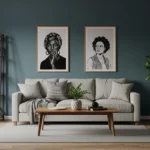
If the living room is small, it doesn’t have to be white walls. Deeper saturated colors like navy, forest green or even charcoal can actually make small spaces feel more intimate and purposeful versus cramped. The secret is in having dark walls alongside lighter furnishings and good natural light.
For bigger living rooms: use the 60-30-10 rule; sixty percent of the room should be in a dominant color (your walls), thirty percent in a secondary color (big furniture pieces) and then ten percent in an accent color hue (pillows, accessories). This gives a sense of visual unity without making us fall asleep out of uniformity.
Earth tones are back in a big way, too, with terracotta, sage green and warm taupes replacing the cool grays that dominated for many years. These tones bring the toasty heat and go gorgeously with materials found in nature, such as wood, rattan and stone.
Furniture Function Meets Form in Modern Living
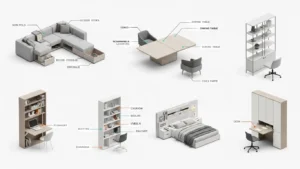
It’s no longer the case that you purchased the matching living-room set and considered it good. Contemporary living room design is known to have clean lines in the design of its furniture pieces, as well as a minimalism approach to the hip and new look that is so representative of the new era of innovation and technological advancement.
Your sofa is the piece that people will be entering and exiting, so select carefully. Opt for the shapes that have a clean line and are well made, you won’t want to wear them after the next season’s ford designated trend.” Modular couches are so in right now because they’re versatile use them as big sectionals, or break it up and spread the pieces around like a puzzle. Plus, if one part gets ruined you can replace just that piece rather than buying another whole couch.
Think about scale use a giant sectional to make your living room feel ten times the size it is. Dainty furniture in a spacious room, on the other hand, will appear as though you’re hosting a dollhouse tea party. Tape furniture dimensions out on the floor with painter’s tape before purchasing.
Coffee tables are changing and much more than they used to be!. Many contemporary options are equipped with storage, lift-tops for working or dining, or nesting designs that free up more floor space when you need extra surface area. Some homeowners are even abandoning the coffee table altogether in favour of several smaller accent tables that can be easily moved around.
Creating Ambiance Beyond the Overhead Fixture
If a ceiling light is the only source of light in your living room, you are simply not utilizing one of the most significant design elements. Today countertops have lighting in three levels: Ambient (general illumination), task (reading lamps or work zones) and accent, which adds an emphasis to architectural features or artwork.
It all begins with an evaluation of the natural light in your space. Rooms that face south receive the most stable amount of sunlight, while those that face north may need more light. In general, window treatments should enhance and not block light think sheer curtains that provide privacy while allowing sunshine to filter through.
Now floor lamps are sculptural statements in contemporary living rooms. Arc lamps that extend out over seating create overhead lighting without overhead fixtures, and designs with tripods add visual interest. Spread your lamps around Don’t clump all the lamps in one corner when spreading those light sources evenly can make for a more pleasant and balanced feel.
Dimmer switches are an essential in contemporary design. They allow you to turn the vibe from “party host” to “Netflix and real chill” with a single twist. Smart bulbs go further still, allowing you to control color temperature and brightness from your phone.
Wall Treatments Beyond Basic Paint
Today’s living rooms are making the most of wall treatments that help to add texture and dimension. Accent walls can be effective, but they must be done well painting one wall a different color for no other reason than to do so isn’t inherently good design.
Textured wallpaper has had a tasteful resurgence, particularly anything with some subtle patterns or real textures like grass cloth. Used on a single wall or in select places, wallpaper has the ability to create depth without making the room feel overly confined.
Board and batten, picture frame molding or basic horizontal slats add architectural interest to plain walls. Painted the same color as the rest of a wall or in a contrasting hue, these treatments give a custom, high-end appearance that boosts texture and interest for about the cost of paint.
Gallery walls are still a thing, but today’s interpretations tend to be more edited than everything-but-the-kitchen-sink chaos. Consistent with a finite color scheme in your art or pick all black frames for consistency. Combine frame sizes but have equal spacing between them generally 2-3 inches in distance for a stylish appearance.
Storage Solutions That Don’t Scream “Storage”
Today we want our living rooms to accommodate all the crap, without looking like a storage unit. The trick is to design in storage that does double duty and does not look like afterthoughts.
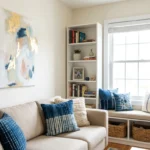
Custom built-in shelving keeps storage all the way to the ceiling. If you rent, there are freestanding ladder shelves or modular shelving systems that can provide display and storage without the commitment of a permanent installation. 5) “Styling shelves with a combination of books, decorative objects and storage baskets, but leaving some empty space so it doesn’t look cluttered.”
Ottomans that double as hidden storage are multitasking heroes. They offer additional seating, a footrest, occasional table surface and storage for throws, remotes or even kids’ toys. Opt for durable fabric designs that fit in with your colour scheme.
Modern living room media consoles are becoming more streamlined, with lots of designs featuring closed cabinets along with hiding electronics cords and clutter. Opt for something with built-in cable management to prevent a tangled mess behind your TV.
Bringing Nature Indoors: Plants and Natural Elements
Biophilic design: This is also the latest trend in modern design your indoor connection to nature. This is more than just a few houseplants.
Dramatic focal points and air quality be damned! Don’t have a green thumb? Now the modern faux plants are so realistic, and there is no shame in their game.
Natural materials keep modern spaces grounded and from feeling overly clinical. Mix wood in various tones a walnut side table, oak flooring, rattan accent chair. Stone details via marble accents or slate coasters give some luxury texture. Textiles such as jute rugs, linen curtains or a macrame wall hanging soften hard lines.
Smart Home Integration Technology That Disappears
Contemporary living rooms easily incorporate technology without it seeming overbearing. The aim is smart long-distance functionality that stays out of your way, until the point you need it.
Televisions hung on walls are common, but newer installations take it a step farther by either hiding cords inside the wall or using cord covers that match the color of the wall. Some homeowners are choosing frame TVs that show artwork when not in use, or motorized lifts that tuck the TV into a cabinet.
Smart speakers can be nestled into shelving, or selected in colors that complement your decor. Less time searching for the remote means more time watching your favorite movie or TV show.
The proliferation of wireless charging stations incorporated into end and console tables keeps gadgets charged without visible cords. Furniture with built-in charging drawers make the process disappear altogether.
Creating Zones in Open-Concept Spaces
And with today’s modern homes typically sporting open-concept layouts, your living room may be flowing right into the dining area or kitchen. Establishing separate zones is a way to define the living area without breaking out the sheetrock.
Rugs are the simplest way to create zones. Select a rug big enough that at least the front legs of all your seating furniture can sit on (this will anchor both living room zone visually).
The way furniture is laid out can form implied walls. Place your sofa facing the dining area, with its back towards it, to designate between spaces. Behind the sofas, console tables offer display space and define the edge of living zone.
Variations in light scheme differentiate areas. Even if the kitchen has bright task lighting, your living room can be illuminated with softer, more muted ambient light to let you know it’s time to unwind.
Personal Touches Making Modern Feel Like Yours
The most successful modern living rooms balance current design trends with personal style. This is where you take all these ideas and make them uniquely yours.
Display collections that matter to you, whether that’s vintage cameras, travel souvenirs, or your grandmother’s teacup collection. Modern design accommodates personal items when they’re displayed intentionally use matching frames, arrange items symmetrically, or group similar objects together.
Family photos absolutely belong in modern spaces. Choose frames in consistent colors or materials, and arrange them in a cohesive gallery wall or along shelving rather than scattering individual frames around the room.
Textiles offer an easy way to inject personality. Throw pillows, blankets, and curtains can introduce patterns, colors, and textures that reflect your taste. Switch them seasonally for a fresh look without major investment.
Budget-Friendly Updates That Make a Big Impact
You don’t have to gut the whole living room to create something modern. With a little strategic updating, however, you can give your space the makeover it needs without draining your bank account.
Paint is the cheapest makeover available. New paint on walls or even old furniture can transform the vibe of your room entirely. And don’t forget to paint trim, or even doors bright white trim instantly makes everything feel fresher and more contemporary.
“Rearranging furniture is free and can drastically change the flow and function of your room. Experiment with floating furniture away from walls, forming conversational groupings or arranging in diagonal configurations.
Replacing the hardware on existing furniture drawer pulls, cabinet handles is an affordable trick that makes old pieces look new. The same is true with updating old style light fixtures to contemporary ones; the whole taste of a room can change.
Decluttering and editing your accessories could be the most effective free upgrade. Take half of what’s on your surfaces and shelves off. *Current design wants the negative, less is more.
| Design Style: | Key Characteristics: | Best For: | Color Palette: | Price Range: |
|---|---|---|---|---|
| Contemporary Minimalist | Clean lines, clutter-free, functional | Small spaces, busy lifestyles | Whites, grays, black accents | |
| Scandinavian | Cozy, natural materials, hygge vibes | Anyone who loves warmth and simplicity | Whites, beiges, soft pastels | $$ |
| Industrial Modern | Exposed elements, metal fixtures, raw materials | Loft apartments, urban spaces | Grays, blacks, browns | |
| Mid-Century Modern | Retro charm, tapered legs, geometric patterns | Vintage lovers, eclectic personalities | Warm woods, mustard, teal | $$$ |
| Bohemian Chic | Layered textures, global influences, relaxed | Creative types, maximalists | Earthy tones, jewel tones | $ – $$ |
| Transitional | Blend of traditional and modern | Those who can’t commit to one style | Neutrals with pops of color | $$$ |
Final Thoughts
When it comes to modern living room ideas, there isn’t a pre-established formula for what to do or what should be done in the space. It’s building a room that functions for your real life, where you can host friends, wind down after work, play with kids or just be without the threat of messing things up visually.
The finest modern living rooms blend form and function, staying personal in style and evolving as your lifestyle does. Start with the great airy bones of good lighting, comfy seating, smart storage and build from there. Do not be compelled to do everything all at once, living room design is a journey not a destination.