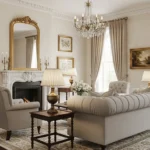
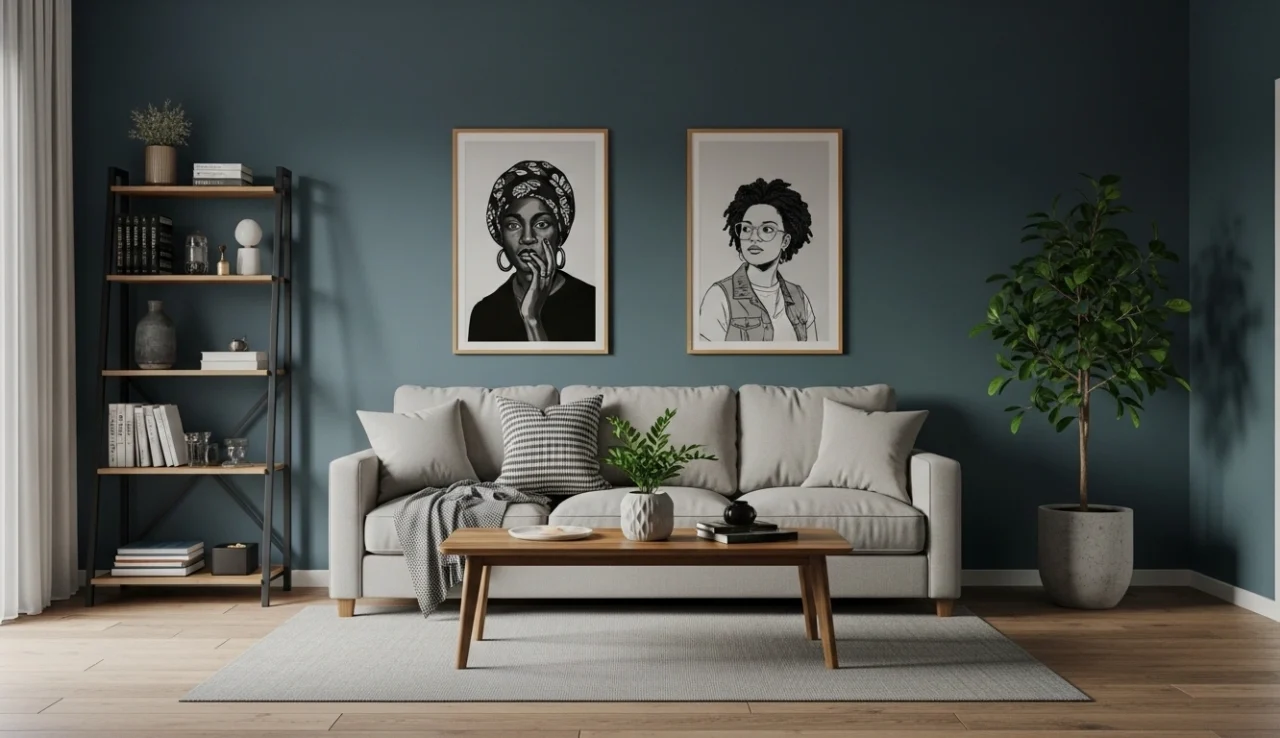
If you grew up watching Khadijah, Regine, Synclaire, and Maxine figure out life, love, and careers in their Brooklyn brownstone, you already know that apartment was more than just a set. It had its own energy.
Purple walls. Afrocentric art everywhere. A big, open kitchen where everybody gathered to talk, laugh, and work through the drama of the week. That brownstone felt like a real place you wanted to visit every Thursday night.
And guess what? The design ideas behind that space work just as well today as they did in the 1990s. Maybe even better. More and more people are looking for ways to bring Living Single inspired home design with Black culture style into their own spaces. They want homes that feel warm, culturally proud, and full of personality.
Why Living Single Set Design
Most people remember Living Single for the comedy and the chemistry between the cast. But take a closer look at the set design and you notice something that was pretty groundbreaking for 1990s television. Every corner of that apartment celebrated Blackness without apology.
The ladies’ duplex had deep jewel tones on the walls, especially those signature purples and burgundies. African-inspired textiles, lush greenery, and warm wood accents filled the rooms. The apartment itself was huge, with high ceilings, a big eat-in kitchen, oversized bedrooms, and a private terrace.
Upstairs, Overton and Kyle kept a similar Afrocentric theme going in their bachelor pad, just with a more relaxed feel.
No single element made it work on its own. Everything came together to send a clear message. Black people deserve beautiful, expansive, culturally rich living spaces. That message hit home in the 90s, and it still hits home now.
Design Element of Living Single Inspire Home Design with Black Culture Style
Before you head out shopping, take a minute to understand what made the Living Single look so memorable. These go deeper than decorating tips. They come from a design philosophy rooted in Black cultural expression.
Bold Color Palettes That Make a Statement:
The first thing you noticed about the brownstone was the color. Those walls were not playing it safe with beige and a tiny accent stripe. They went all in with deep, saturated purples, rich burgundies, and warm terracotta tones that made the whole space feel intimate and confident.
Bold color has always carried meaning in Black culture. From vibrant kente cloth to the painted shotgun houses of New Orleans, color tells a story about joy, identity, and community.
Here is how to bring it into your space:
- Start with one accent wall in deep eggplant, warm clay, or rich burgundy
- Pair dark walls with gold or brass accents for contrast
- Use jewel-toned throw pillows and blankets to add color without a big commitment
- Go for saturated, rich shades instead of pastel or washed-out versions
Afrocentric Art and Cultural:
The Living Single apartment had African masks, sculptures, and artwork on nearly every surface. None of it was random. Every piece told a story and showed a connection to heritage and history.
The approach has changed a bit over the years. Modern Afrocentric design tends to go with fewer pieces but bolder ones, rather than covering every shelf.
Some great options to try:
- One hand-carved wooden sculpture from West Africa as a focal point
- Contemporary art by Black artists in quality frames
- Cowrie shell accessories or beaded decor pieces
- Woven baskets hung on the wall as art
- A gallery wall that mixes cultural prints with family photos
Pick pieces that genuinely mean something to you. That is what separates a curated space from a decorated one.
Warm Natural Materials and Beautiful Woodwork
Wood showed up everywhere on the Living Single set. The brownstone had exposed brick, wooden furniture, and solid kitchen cabinetry. This connection to natural materials runs deep in African design traditions where artisans have worked with wood, clay, and natural fibers for centuries.
Woodworking also carries a powerful history in Black culture. Skilled Black carpenters used their craft to build freedom, both literally and financially. When you choose handcrafted wooden furniture or support a Black-owned carpenter, you add a layer of meaning that no mass-produced piece can match.
Ways to bring natural materials into your home:
- Solid wood coffee tables and side tables
- Woven baskets for storage and wall display
- Clay pottery and handmade ceramics
- Natural fiber rugs in jute, sisal, or woven cotton
- Wooden cutting boards and serving trays displayed in the kitchen
Textile That Tell Stories:
Textile-making sits at the heart of Black culture and goes back centuries, with roots in Central and West Africa. When enslaved people came to the United States, traditional African techniques blended with European quilting styles and created something brand new. Those quilts carried stories of faith, family, and survival.
On Living Single, the love of textiles showed up everywhere. Bold throw pillows on the sofa. Decorative blankets. Patterned curtains framing the windows.
Textile ideas worth trying:
- Mudcloth throw pillows on your sofa and bed
- Kente-inspired or African wax print curtains
- Hand-dyed indigo blankets as statement throws
- Woven table runners for your dining space
- Quilts or textile art hung on the wall as a display piece
The Gathering Kitchen:
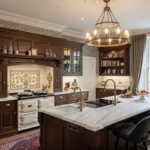
If one room defined Living Single more than any other, it was the kitchen. That room was not just for cooking. It was the heart of the home.
The oversized breakfast bar, the open layout, the way every character naturally drifted in there for conversation. All of it reflected something deeply important in Black home culture. The kitchen is where recipes get passed down, where family stories get shared over good food, and where the real conversations happen long after dinner ends.
Tips for building a gathering kitchen:
- Keep plenty of open counter space and comfortable seating at your island or bar
- Make the layout welcoming and social, not closed off behind walls
- Display cookbooks, wooden utensils, and handcrafted bowls as decor
- Add a fruit bowl in a woven basket for warmth and function
- Use warm lighting instead of harsh fluorescent bulbs
Bringing the Living Single Vibe Home
Here is how to put these principles to work in every major room.
Living Room The Social Hub:
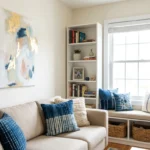
Your living room should feel like a place where people want to sit down and stay for a while. On the show, the living room had oversized sofas in rich fabrics, plenty of throw pillows, and warm lighting that made the whole room glow.
To recreate that vibe:
- Pick a large, comfortable sofa in chocolate brown, burnt orange, or forest green
- Layer it with throw pillows in mudcloth, kente, or solid jewel tones
- Put down a statement rug in warm earth tones
- Set floor lamps with warm-toned bulbs at different heights around the room
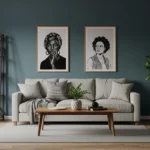
- Hang artwork by Black artists and place African-inspired sculptures on your shelves
Bedroom A Personal Sanctuary:
Regine kept her bedroom glamorous. Synclaire went softer and more whimsical. The takeaway is simple. Your bedroom should match your personality while still connecting to the cultural aesthetic.
Bedroom must-haves for this look:
- A Kuba cloth-inspired throw at the foot of the bed
- African wax print pillowcases or cushion covers
- Warm wall colors like deep teal, terracotta, or muted gold
- Candles and table lamps for ambient light instead of harsh overhead fixtures
- A handwoven blanket from a Black-owned textile company
Bathroom Small Space, Big Impact:
You do not need a big renovation to make your bathroom feel culturally rich.
Quick upgrades that make a difference:
- Swap your standard towels for ones in bold colors or African-inspired patterns
- Add a small wooden stool or woven basket for storage
- Hang a framed textile print or small artwork
- Place natural elements on the counter like a potted plant, wooden soap dish, or clay candle holder
- Group candles of different heights together for warmth
Design with Scent and Sound: The Side of Black Home Culture
Here is something most design blogs completely skip over. A real Living Single inspired home goes beyond how your space looks. It is also about how it feels, how it smells, and what it sounds like.
When actress Danielle Brooks renovated her Brooklyn brownstone, her design team from AphroChic asked her one question that changed the whole direction of the project. They asked, “What does your house sound like?” That question gets at something essential about Black home design that furniture and paint colors alone cannot capture.
Music as a Design Element:
Think about the Black homes you grew up in or spent time visiting. There was almost always music playing. Gospel on Sunday morning. R&B while dinner was on the stove. Jazz floating softly through the room during a get-together.
In Black households, music is not background noise. It is part of the space itself.
How to design with sound in mind:
- Get a quality Bluetooth speaker for your living room or kitchen
- Place a record player on a vintage console table so it works as both decor and function
- Build room-specific playlists. Smooth jazz for the bedroom. Upbeat R&B for the kitchen
- Let music become a permanent part of your home, not something you only turn on once in a while
The Power of Scent:
Walk into many Black homes and the first thing you notice is the smell. Incense burning on a side table. A vanilla or shea butter candle warming on the coffee table. A home-cooked meal drifting from the kitchen. The late 90s Black home aesthetic was partly defined by that warm glow and scent of incense, and the tradition has only grown.
Best scents for a culturally grounded home:
- Shea butter candles for a warm, natural fragrance
- Sandalwood or frankincense incense for a classic touch
- Amber or vanilla diffusers for subtle, continuous scent
- Fresh herbs growing in the kitchen for a living, natural aroma
Put scent elements in your living room, bedroom, and bathroom so the experience flows through the whole home.
Outdoor Living and Porch Culture The Design Space Everyone
One feature of the Living Single brownstone that does not get enough attention is the private terrace. Outdoor living has always been a big part of Black home culture, but most design guides skip right past it.
The Tradition of the Porch and Stoop:
Southern front porches where neighbors gathered to share stories. Brooklyn stoops where entire blocks socialized on warm summer evenings. These outdoor spaces have played a major role in Black social life for generations.
The porch was never just a spot between inside and outside. It was its own living room, open to the community.
How to build your own outdoor oasis:
- Add comfortable seating with weather-resistant cushions in bold colors
- Bring in potted plants and herbs for greenery and life
- Hang string lights or lanterns for evening ambiance
- Use a small outdoor rug and side table to define the space
- Treat even the smallest balcony as a real part of your home
Designing for Community Gathering Outdoors
If you have a backyard or larger outdoor area, set it up for the kind of communal gatherings that sit at the center of Black culture.
Must-have elements for outdoor entertaining:
- A grill station for cookouts and holiday gatherings
- Comfortable lounge seating arranged so people can face each other and talk
- A long dining table that fits the whole crew
- A firepit for cooler evenings and late-night conversations
- Quality outdoor speakers so the music keeps going
Lighting as Cultural Expression: Setting the Right Mood
Lighting does not get the credit it deserves when it comes to building a Living Single inspired space. Get the lighting wrong and the whole mood falls apart.
Ambient Over Overhead:
Black homes have traditionally gone with ambient, warm lighting rather than harsh overhead fixtures. The warm glow of a lamp on a side table. Candles flickering on a mantel. A pendant light casting soft shadows across the room. That is the feeling you want.
Smart lighting choices:
- Get quality table lamps and floor lamps with warm-toned bulbs
- Place lights at different heights around the room so you get layers
- Install dimmer switches so you can control the mood
- Group candles of different heights on a wooden tray for visual warmth
- Stay away from cool-toned or fluorescent lighting in your main living spaces
Statement Lighting Fixture:
African-inspired light fixtures have become very popular in the last few years. Artisans create stunning pieces from woven fibers, beaded designs, and hand-shaped metals.
One dramatic pendant light over a dining table or in an entryway can work as both a functional fixture and a piece of art that celebrates African craftsmanship.
Modern Black Culture Design Trends That Echo Living Single
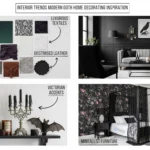
Black interior designers today are pushing the conversation further than ever. Here are current trends that carry the Living Single spirit forward with a fresh, modern twist.
Blaxploitation Glam:
This style borrows from the bold, sultry luxury of 1970s Blaxploitation films. Velvet fabrics, statement lighting, lacquered finishes, and a maximalist approach that refuses to stay quiet. Interior architect Shane Charles of Mild Sauce Studio in Chicago has been spotlighting this as one of the distinct looks rooted in Black diaspora culture. If you love drama in your decor, this one is for you.
Ethiopian Tekton Modern:
This aesthetic works well for people who prefer clean, intentional spaces. It features organic shapes, carved wood, and earthen textiles in minimal arrangements. You use fewer pieces, but every single one of them matters.
Creole Grandmillennial:
Southern style meets Creole influence here. Vibrant colors pulled from cities like New Orleans, wicker furniture, tropical plants, and vintage heirlooms. Historical touches like crisp white trim and arched doorways bring the whole look together. You do not need to live in an old home to pull this off. The right accessories and colors do the job.
Haitian Revival:
Deep earthy shades meet vibrant dark textiles, hand-carvings, and metalwork from raw materials. The focus here is on powerful craftsmanship rooted in Haitian artistic tradition. Modern raffia elements add texture and give the space an artisan quality.
Afro-Minimalism:
This strips everything back so a few powerful pieces can speak for themselves. One hand-carved sculpture on an empty shelf. One bold textile on a white wall. Intention and placement do all the heavy lifting. The space stays uncluttered, and every cultural piece gets room to breathe.
Where to Find Decor for Your Living Single Inspired Space
Support Black-owned businesses whenever you can. Here is where to look.
Black-Owned Home Decor Brands:
The market has grown fast in recent years. Companies that focus on African luxury decor now offer hand-woven light fixtures, modern wall art, area rugs, and furniture made by artisans across Africa and the diaspora. A lot of these brands use techniques that go back centuries, like beadwork, basket weaving, and embroidery.
Vintage and Thrift Stores:
Secondhand shopping is one of the best moves you can make for this aesthetic. Vintage wooden furniture, brass candlesticks, leather-bound books, and framed African art prints from the 80s and 90s add the kind of character that brand-new items just cannot match.
Local Black Artisans and Craft Markets:
Many cities hold markets and fairs that feature local Black artists and craftspeople. A hand-thrown ceramic vase or a custom piece of wall art from a local artisan becomes the centerpiece of your whole design. You also get to support someone in your community while building your space.
Tips for Blending Living Single Style with Modern Design
You do not have to turn your home into a 90s time capsule to capture the spirit of the show. Here is how to mix vintage inspiration with a modern feel.
Mix Eras with Confidence:
Put a vintage wooden console next to a contemporary lamp. Hang a modern abstract painting beside an antique African mask. That contrast between old and new adds visual interest and tells a richer story about who you are.
Let Your Heritage Guide Your Choices:
The strongest design choices come from personal connection. If your family has Southern roots, bring those elements in. If your heritage connects to West Africa or the Caribbean, let those influences show up in your space. A home that reflects real heritage always looks better than one that just follows a trend.
Go Bold with Color:
If there is one takeaway from the Living Single aesthetic, it is this. Color is nothing to be afraid of. A deep purple accent wall, a bright kente-print pillow, or a bold piece of artwork in reds and golds can breathe life into even the most neutral room.
Final Thoughts
Living Single inspired home design with Black culture style comes down to one thing. You build a space that shows who you are and where you come from. It is not about recreating a TV set from 1993. It is about honoring the warmth, pride, and community spirit that made that brownstone feel like home to millions of viewers. Start with what speaks to you, support Black artisans along the way, and remember that Khadijah never played it safe with her space. Neither should you.