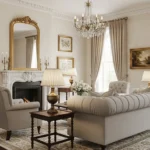

Modern living has changed. It is no longer just about sharp angles, cold white walls, and furniture that looks good but feels uncomfortable. Today, modern home design is about feeling good. It is about creating a space that takes care of you after a long, busy day. When you search for Modern Living Home Design Ideas & Inspiration, you are likely looking for a way to make your house feel like a home. You want a space that is stylish but also cozy, practical, and personal. This guide will walk you through the freshest ideas for late 2024 and 2025, focusing on trends that actually make life better, not just prettier.
Why Your Home Should Be Your Story
The best homes tell a story about the people who live in them. Your home should not look like a showroom catalog where no one is allowed to touch anything. Instead, it should be a collection of things you love, arranged in a way that makes your life easier. This blog post is different because we are digging deep into the “why” and “how” of design, not just giving you a list of things to buy. We will explore how nature, light, technology, and warmth are coming together to create the new standard of modern living.
Biophilic Design 2.0: Beyond Just Potted Plants
Moving From Visuals to Feelings
You might have heard of “biophilic design” before, which usually means adding plants to your room. But for 2025, this trend is evolving into something much deeper. It is no longer just about seeing nature; it is about feeling nature. This means using materials that have texture and warmth under your fingertips. Think about a rough stone coffee table, a wool rug that feels like grass under your feet, or unpolished wood that shows its natural grain. This sensory connection helps lower your heart rate and makes you feel grounded.
The Magic of “Living” Light
One of the most overlooked parts of bringing nature indoors is light. Modern living design is now focusing on “circadian lighting.” This is a fancy way of saying that your indoor light should mimic the sun outside. During the day, your home should be flooded with bright, cool light to keep you energetic. As the evening comes, your lighting should shift to a warm, amber glow, just like a sunset. This signals to your body that it is time to rest. You do not need expensive renovations to do this; simply changing your light bulbs to “smart” bulbs that adjust warmth throughout the day can completely change how your home feels.
Natural Walls and Raw Textures
Another way to bring the outside in is by changing your walls. Flat, painted drywall is being replaced by textured wall treatments. Limewash paint, for example, is making a huge comeback. It gives walls a cloudy, soft, and chalky texture that feels organic and old-world. Clay plaster is another option that adds depth and warmth. These materials breathe and regulate humidity, making the air in your home healthier while looking stunningly beautiful.
Warm Minimalism The End of the All Gray Era
Why We Are saying Goodbye to Cool Gray
For a long time, modern design was synonymous with the color gray. Gray floors, gray sofas, and gray walls were everywhere. While it looked clean, it often felt cold and impersonal. The new wave of modern design is “Warm Minimalism.” This style keeps the clutter-free look of minimalism but swaps the cold grays for warm whites, creams, beiges, and earthy browns. It feels like a warm hug rather than a sterile clinic.
The Importance of “Brown” in Modern Decor
Brown is the new black in the design world. We are seeing a massive return to chocolate brown velvets, caramel leather, and dark walnut wood tones. These colors add richness and drama to a room without feeling heavy. If you have a neutral room, try adding a deep brown accent chair or dark wooden picture frames. It instantly grounds the space and makes it look expensive and sophisticated.
Embracing Imperfection with Wabi-Sabi
Part of this warm approach comes from the Japanese concept of Wabi-Sabi, which finds beauty in imperfection. In a modern home, this means you do not need everything to be brand new and shiny. A scratched leather chair, a hand-thrown pottery bowl that is slightly lopsided, or a rug that is faded in spots adds character. These items show that life is lived here. This approach takes the pressure off you to maintain a “perfect” home and allows you to relax.
Technology That Helps, Not Distracts
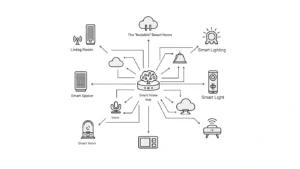
We all have enough screens in our lives. The newest trend in Modern Living Home Design Ideas & Inspiration is technology that hides. We are moving away from having a touch screen on every appliance. Instead, we want tech that works in the background. Imagine a thermostat that learns your schedule without you programming it, or speakers that are built into the walls so you hear music but do not see cables. The goal is to have a helpful home, not a clutter of gadgets.
Wellness Tech in the Bathroom
The bathroom is becoming the new high-tech wellness center. Modern showers now come with systems that can infuse the water with essential oils or control the steam level with your voice. Smart mirrors can adjust their lighting to help you apply makeup or shave perfectly, and then dim to a soft glow for a relaxing bath. This is technology serving your well-being, turning a daily routine into a spa experience.
Kitchens That Clean Up After Themselves
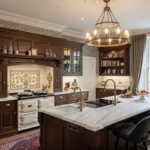
In the kitchen, “touchless” is the key word. Faucets that turn on with a wave of your hand are great for when you are cooking with messy hands. We are also seeing “hidden” induction cooktops that live underneath your stone countertop. You can cook directly on the counter surface, and when you are done, you just wipe it down like a regular table. It keeps the visual noise down and makes the kitchen look sleek and clean.
The Rise of the “Decompression Zone”
Creating a Transition Space
The way we enter our homes matters. In the past, the entryway was just a place to dump shoes. Now, designers are creating “decompression zones.” This is a dedicated space right inside your door designed to help you mentally switch from “work mode” to “home mode.” It might have a bench to sit and take off your shoes, a specific tray for your keys, and soft lighting. The act of pausing here signals to your brain that the stress of the day is over.
The Evolution of the Reading Nook
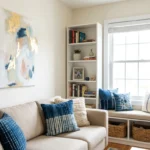
Since we do everything at home now work, exercise, and sleep we need small pockets of escape. The reading nook is back, but it is more than just a chair in a corner. It is a tiny sanctuary. Modern living ideas suggest using an awkward corner or a window seat to create a customized mini-lounge. You can use acoustic panels or heavy curtains to dampen sound in this area, making it a quiet retreat for reading, meditating, or just drinking coffee in silence.
Soundproofing for Sanity
With open-plan living still being popular, noise can travel everywhere. A big part of modern comfort is acoustic privacy. We are seeing more “soft” surfaces being used to absorb sound. Upholstered walls, thick wool curtains that go from ceiling to floor, and large area rugs are essential. They stop the echo and make your home feel quieter and more peaceful, which is the ultimate luxury in a busy world.
Sustainable Eco-Luxury Ethics Meets Aesthetics
Upcycling as a Status Symbol
Sustainability is no longer a niche interest; it is a core part of modern luxury. But this does not mean buying everything made of recycled plastic. It often means buying less and buying better. “Upcycled luxury” is a huge trend. This involves taking high-quality vintage furniture and giving it a new life with modern fabric. It is eco-friendly because you are not buying new, and it gives you a piece of furniture that is totally unique to your home.
Materials That Age Gracefully
Plastic and cheap veneers look bad as they get older. Natural materials like solid wood, marble, brass, and leather look better with age. They develop a “patina,” which is a soft sheen that comes from use. Investing in these materials is a sustainable choice because you will never need to throw them away. They last for decades and can even be passed down. This shift towards longevity is a major pillar of responsible modern design.
Energy Efficiency as Design
Energy efficiency is becoming a beautiful part of design. Solar panels are becoming sleeker and less obtrusive. Windows are being designed with triple panes that insulate your home perfectly while letting in maximum light. Even window treatments are getting smarter; “cellular shades” can trap air to keep your home warm in winter and cool in summer, lowering your energy bill while looking stylish. A truly modern home respects the planet as much as it respects its inhabitants.
Layouts That Flow The Flexible Future
The Death of the Formal Dining Room
Few people use a formal dining room anymore. In 2025, we are reclaiming that space. That dusty room with the big table is being turned into a library, a home office, or a playroom. Modern families prefer “eat-in” kitchens where the cooking and socializing happen together. If you have a formal dining room you rarely use, consider repurposing it into a space you will actually enjoy every day.
Zoning with Rugs and Lighting
In open spaces, it can be hard to tell where the living room ends and the dining area begins. Instead of building walls, modern design uses visual “zones.” You can define a living area by placing a large, textured rug under the sofa and chairs. Then, use a low-hanging pendant light over the dining table to create a separate “room” without walls. This keeps the light flowing but gives each activity its own distinct space.
Furniture That Moves
Because our lives change so fast, our furniture needs to keep up. “Modular” furniture is a top trend. These are sofas that come in sections so you can rearrange them into a long couch, a corner sectional, or separate chairs depending on if you are hosting a party or watching a movie. Tables on wheels or nesting tables that tuck under each other offer flexibility. This adaptability ensures your home works for you, no matter what the occasion is.
Color Psychology Mood Boosting Hues
The Power of Green and Blue
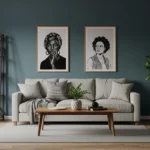
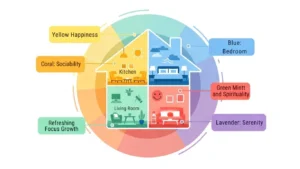
Nature-inspired colors are proven to lower stress. That is why sage green and misty blue are dominating bedroom and bathroom designs. These colors remind us of the forest and the sky. Painting a bedroom a soft, dusty green can actually help you sleep better. It is a simple change that has a profound impact on your mental health.
Energetic Accents
While the main colors of the home are calming neutrals, we are using small pops of color to add energy. Burnt orange, mustard yellow, and deep burgundy are popular accent colors. You might add these in throw pillows, a vase, or a piece of art. These warm colors stimulate conversation and appetite, making them perfect for the kitchen or dining area.
The “Color Drenching” Technique
A bold new technique called “color drenching” is gaining popularity. This involves painting the walls, the trim, the ceiling, and even the doors all the same color. It creates a seamless, cocoon-like effect. It makes small rooms look bigger because there are no harsh lines to break up your vision. Doing this in a moody dark blue or a warm terracotta creates an incredibly cozy and modern atmosphere.
Conclusion
Modern living is not about following a strict set of rules. It is about taking the best ideas biophilic textures, smart lighting, warm colors and mixing them to create a space that serves you. Whether you are painting a room terracotta or just buying a softer rug, every change should make you feel more at home.