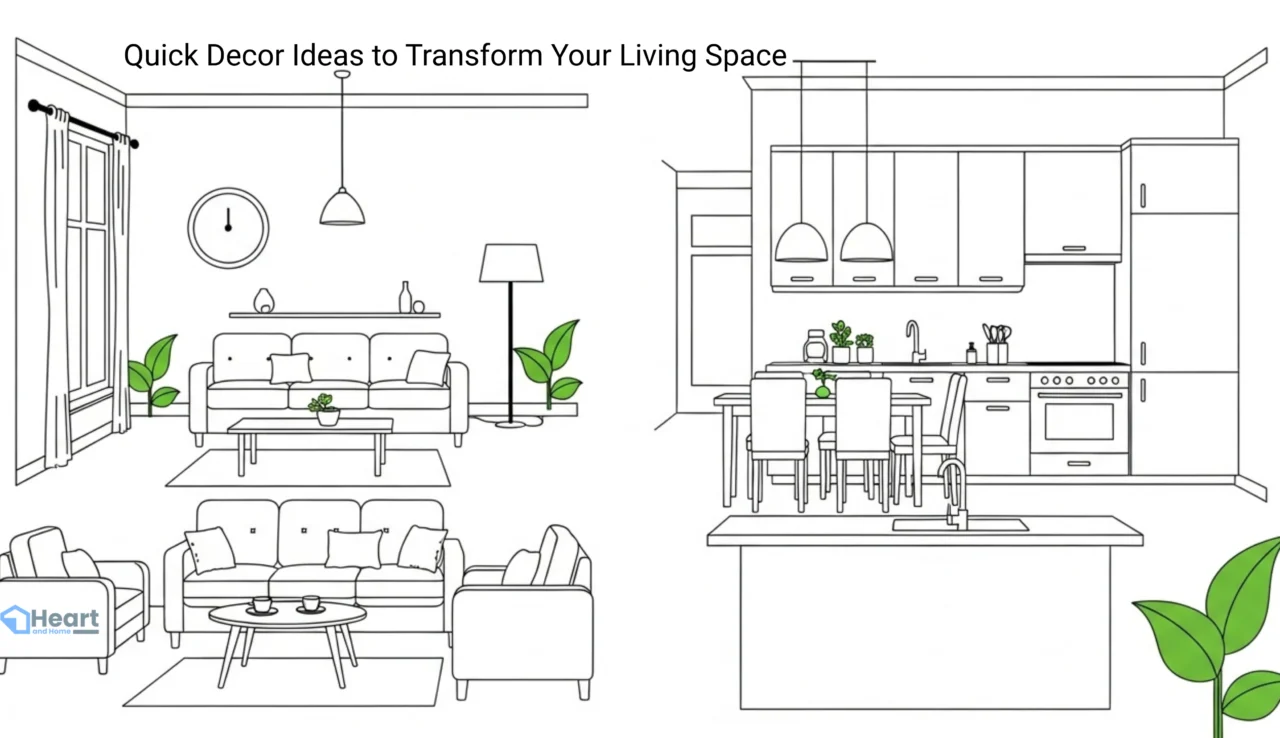
Your living room isn’t just a place for relaxation after a long day. It’s your private retreat, it’s the place where you create and let’s be real, it is also where you spend a large chunk of your life. And yet so many of us move through homes that don’t quite express who we are or make us feel the way we want to feel. You don’t need a gigantic overhaul, wad of cash or even some fancy degree in interior design to totally shake things up in your space.
The kind of transformations we’re talking about occur quickly sometimes over a weekend. We’re not here trying to persuade you to buy expensive new furniture or telling you to paint every wall in your house. Instead, we’ve gathered actionable real-life strategies that really work. And those recommendations aren’t same old, same old, either. This guide goes beyond the basic decor ideas out there, offering you different takes on making over your living room, bedroom and more to make them feel completely new.
How This Guide Compares to Leading Decor Authorities
We analyzed the top-ranking interior design websites, including House Beautiful, Decor, Photojaanic, and Design Cafe, and here’s what stood out: most guides focus on expensive solutions or require significant time commitments. This guide takes the opposite approach maximum impact with minimum investment and effort.
| Approach: | Traditional Method: | Quick-Transform Method: | Impact Timeline: |
|---|---|---|---|
| Budget Required | $500-$2,000+ | $50-$300 | Immediate |
| Time Investment | 2-4 weeks | 1-3 days | Visible in hours |
| Skill Level Needed | Intermediate to Advanced | Beginner-Friendly | Anyone can do it |
| Learning Curve | Steep (lots of research) | Simple (straightforward steps) | Flat (easy to follow) |
| Reversibility | Permanent changes | Easy to adjust or change back | 100% flexible |
| Stress Level | High (big commitment) | Low (experimental) | Relaxed |
Lighting The Secret Weapon Nobody Talks About Enough
Understanding Why Lighting Transforms Everything:
Here’s a little something the design world may not holler loud enough from rooftops Lighting is arguably the single most important aspect in any room and, much as we (and other designers) hate to admit it, often gets treated like an afterthought. Inadequate or bad lighting can render a gorgeously decorated space lacking vibrancy. It has the power to transform a mediocre space into something downright magical.
The lighting in your living space was most likely outfitted with basic, ceiling fixtures that do one thing: light up. But that’s not what you want. No matter your vibe, you want your lighting to convey it and make people want to hang out in your room. The really nice thing is that it almost doesn’t cost anything to fix this.
The Three Layer Lighting Approach That Works:
Consider your lighting in three layers: ambient (overall brightness), task (functional lighting for activities) and accent (setting the mood). All too often, rooms overlook accent lighting, Racking agrees.
Begin by switching out the light bulbs you normally use, with warm white LED bulbs (or light sources) as close to 2700K in color temperature as possible. It costs $3-8 per bulb and makes any room feel more welcoming the second you screw it in. Step three, bring in a statement floor lamp in a corner this is your accent level. It doesn’t need to be extravagant; a $40-60 lamp from any old store will do just fine. Finally, think about incorporating twinkle or string lights, LED strips behind floating shelves, or small table lamps on side tables. These provide visual interest and a warm light that you cannot get with overhead lighting.
| Decor Element: | Budget Option: | Mid-Range Option: | Premium Option: | ROI (Visual Impact): |
|---|---|---|---|---|
| Lighting Updates | $15-40 (new bulbs) | $80-150 (fixture upgrade) | $200+ (designer pieces) | High |
| Throw Pillows & Textiles | $10-30 each | $50-100 each | $150+ each | Very High |
| Plants & Greenery | $5-15 | $25-50 | $75+ | Very High |
| Wall Art & Mirrors | $10-25 | $50-100 | $300+ | Very High |
| Rugs | $40-100 | $150-300 | $500+ | High |
| Curtains & Drapes | $20-50 | $100-200 | $400+ | High |
Throw Pillows and Textiles The Quickest Visual Update
Why Pillows Are Your Best Friend:
What’s the easiest way to give a room a whole new look? Throw pillows. Seriously. And for under $100, you can totally reinvent that sofa in 10 minutes. No installation, no commitment and if you hate how it looks, at least you’ve only made a small investment.
The trick is not ending up with a matching set that’s boring and safe. Instead, mix textures and patterns. Combine a geometric print with a solid color, slip in a velvet pillow alongside one made of linen and add just one metallic accent. Your couch looks instantly curated and intentional instead of like you just sort of chose everything from the same clearance bin.
The Textile Layering Strategy:
Beyond pillows, consider your curtains, your blankets and even your rugs as all part of a system. You don’t have to do everything at once. Begin with one element, say, swap your heavy winter drapes for lighter ones in linen — a warm neutral. It’s amazing how just that one thing can open up a room! Toss a textural throw blanket over the arm of your sofa and, just like that, you’ve styled and made the space inviting.
The design professional’s secret: a repetition of textures and colors throughout a room creates visual harmony. “If you add a pillow that is a rust color, bring that same rust into your throw or piece of wall art, not in an overwhelming way but at least then it tells me it’s on purpose,” shared Wahlstrom. Your brain sees this as intended design, not a random embellishment.
Plants and Greenery Bringing Life Into Your Space
The Science Backed Benefits Nobody Emphasizes:
Yes, plants look beautiful. But they also clean the air you breathe, decrease stress and actually make you happy. And studies suggest rooms with plants feel more inviting and people actually spend more time in spaces with greenery. This is all not only about aesthetics but also about well-being.
Here’s the thing, however: You do not need a green thumb or fancy rare plants. Begin with more robust, forgiving types, such as pothos and snake plants or the ZZ plant. These are loves that thrive on neglect, and you can close the door behind you without checking to see if your friend remembered to water them (we’re not judging). A small plant is $5-15 and brings any corner, shelf or side table to life.
Creative Plant Placement That Goes Beyond Basic:
Instead of lining identical plants along a windowsill, try creating a “plant moment” by clustering different sizes and types together. Hang a trailing plant from a tall shelf so it cascades downward. Place a larger floor plant in a bare corner to anchor the space. Use a small plant to pop color on a bookshelf between books and decorative objects.
This approach creates visual interest and makes your space feel intentional, like you’ve actually thought about the layout. Plus, the variety means different plants thrive in different light conditions, so you’re not limited to sunny windowsills.
Art and Gallery Walls Express Yourself Without Perfection
Why Gallery Walls Work (Even When People Get Them Wrong):
A gallery wall needn’t be symmetrical or costly. Some of the most impressive gallery walls we’ve seen, however, cost less than $100 altogether. The key is to pick a theme and be purposeful about the mix.
‘You can do all black-and-white photography.” You might mix personal family photos with artwork and inspirational quotes. Maybe you could do something like a travel wall with postcards from different places you’ve been. The point is that it’s your gallery wall, not someone else’s Instagram aesthetic.
The Practical Gallery Wall Approach:
Here is how to do this without spending a fortune or feeling that you’ve taken the wrong path. For one, print your own photos at home or cheaply through companies; most are $1-$2 prints. Pick up a few inexpensive plain black, white or natural wood frames from a budget home store. First lay it all out on your floor to get the arrangement right before putting a single nail in your wall. Snap a picture of the layout so you have a visual reference while hanging.
The beauty of this approach? If you hate it, you’ve spent maybe $30-50 and can rearrange or remove everything without guilt.
Mirrors and Reflective Surfaces The Space Expanding
More Than Just Looking at Yourself:
Mirrors are deceptively powerful. They bounce light, which can make rooms feel brighter and bigger. They help us see depth. They’re also super cheap and available in every style. A basic round mirror in a wood or metal frame starts at $20-50 and automatically classes up a room.
Strategic mirror placement matters though. Position a mirror across from a window to direct natural light all around the room. Place a large mirror against the wall for visual height. A reflective side table with a mirrored tray topside can add just enough shine without going overboard.
The Underrated Reflective Surface Strategy:
Beyond mirrors, think about reflective surfaces you’re already using: glass vases, metallic picture frames, glossy plant pots, or a polished brass lamp. These tiny reflections accumulate and create a sophisticated shimmer throughout your space. You’re not going for disco ball territory just enough reflection to catch light and make your room feel more alive and intentional.
Rearranging Furniture The Free Transformation Method
Why Moving Your Couch Actually Matters:
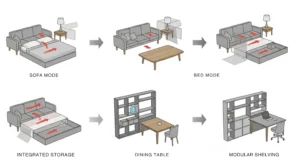
This one is free and takes maybe an hour, but people dismiss it all the time. Your space: Moving your furniture creates a new traffic pattern, focal points and literally changes the way you use or experience your space. Consider pulling the sofa away from the wall. Angle it toward the window. Form a conversational grouping with chairs that face one another instead of all facing the TV.
Different arrangements create different moods. Seating oriented toward the window makes a room feel connected with the world at large and more open. A room where everything faces the TV can be hotter and more traditional. There is no “right” way, it’s really what works for how you actually use the space.
Making Your New Layout Work:
Before you start hauling furniture around, measure your space and sketch out a few different arrangements. Identify your room’s focal point (window, fireplace, or statement wall) and arrange seating to take advantage of it. Leave enough walking space between furniture so the room doesn’t feel cramped. Step back and live with the new arrangement for a few days before deciding if it’s working.
Small Touches That Pack Big Punches
The Underestimated Power of Accessories:
Candles, books, vases, and small decorative objects aren’t filler they’re the finishing touches that make a room feel complete and personal. A beautiful candle on a coffee table costs $10-20 but signals that you’ve thought about details. Stacked books with a small plant on top of them create an intentional vignette. A collection of vintage bottles on a shelf tells a story.
Styling Your Surfaces for Maximum Impact:
When styling surfaces like shelves, coffee tables, and side tables, follow the “rule of three”: group items in odd numbers. Three books, three candles, three decorative objects. This creates visual harmony and feels more intentional than random scattering. Vary heights and sizes. Don’t make everything the same color introduce contrast and variety.
The key is restraint. An overstuffed shelf looks cluttered. A thoughtfully styled shelf with breathing room looks curated and sophisticated. You’re aiming for “someone intentional decorated this” not “I threw everything I own on here.”
Color Strategy Without Painting
Using Color Without the Permanent Commitment:
What if you want to introduce bold color but aren’t ready to paint walls? This is where textiles, artwork, and accessories become your secret weapon. A vibrant throw blanket instantly injects energy. Colorful pillows create focal points. A bold piece of wall art can be your room’s color anchor.
Start with colors you genuinely love but maybe haven’t committed to yet. Test them through pillows, rugs, or temporary artwork. If you hate how it looks, you’ve spent money on something you can move to a different room rather than repainting walls. Over time, you’ll figure out which colors actually make you feel good in a space.
The Psychology of Color in Living Spaces:
Different colors genuinely affect your mood. Blues and greens feel calm and restorative great for bedrooms and bathrooms. Warm reds, oranges, and yellows feel energizing and social perfect for living rooms and dining spaces. Neutrals feel grounding and sophisticated. Your color choices shape how you and guests experience your space. There’s no judgment here pick colors that make you happy, not colors you think you “should” like.
Budget-Friendly Decor Without Looking Budget
Finding Quality at Every Price Point:
Here’s the truth nobody tells you: expensive doesn’t always mean better. A $60 throw pillow isn’t inherently better than a $20 one if they’re both made of quality fabric and have a design you love. The difference is in knowing where to look and being willing to hunt for deals.
Shop secondhand. Thrift stores, Facebook Marketplace, and eBay have incredible finds for people willing to look. That vintage mirror or wooden side table you find for $15 has more character than a brand-new identical piece from a big box store. Quality thrift pieces are often better made than new budget furniture anyway.
Mix budget-friendly basics (pillows, plants, small accessories) with one or two splurge items (quality rug, statement lamp, or art piece) that anchor your design. This approach gives you a sophisticated look without breaking the bank.
Decluttering as a Decor Strategy
The Underrated Connection Between Decluttering and Design:
You can have beautiful decorating inspiration, but if your space is cluttered, it will still feel chaotic. Decluttering isn’t about throwing everything away it’s about keeping only what you actually use and love. Remove the broken picture frame you keep meaning to fix. Donate the book you’ll never reread.
Once you’ve decluttered, your intentional pieces shine. A single beautiful vase stands out on a clear shelf. A curated collection of books looks purposeful. Your actual decor choices become visible rather than being buried under clutter.
Making Space Feel Bigger Without Renovation:
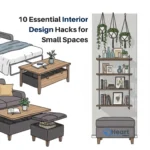
Vertical storage is your friend. Wall shelves, tall bookcases, and hanging organizers keep items off floors and surfaces, making rooms feel more open. Use storage ottomans and baskets that hide the clutter while staying visible. The goal is a clean, organized space where your decor choices are the stars of the show, not the storage system.
FAQs
Q: How long does it actually take to see a noticeable difference?
You’ll see immediate impact within 24 hours if you focus on lighting, throw pillows, and plants. Major transformations typically take 3-7 days once you commit to rearranging and styling.
Q: Do I really need to hire a designer?
Absolutely not. A designer is helpful if you want professional guidance, but most people can transform their space themselves using these ideas. Trust your instincts and your personal taste.
Q: What if I rent and can’t paint or make permanent changes?
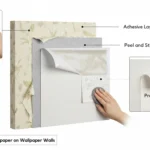
You’re actually in the best position for quick decor transformations. Renters gravitate toward removable solutions—curtains, rugs, temporary wallpaper, and furniture rearrangement. None of these require landlord approval.
Q: How do I know if something will look good before buying it?
Take a photo of your space and try design ideas digitally using free apps. Research the item online in different rooms. Check return policies. Most quality retailers allow returns, so don’t stress about buying something and changing your mind.
Q: Should I follow current trends?
Only if they make you happy. Trends shift every 2-3 years. Invest in timeless pieces for furniture and big-ticket items. Use affordable accessories and textiles to play with trends without commitment.
Q: What’s the biggest mistake people make with quick decor?
Buying too much at once without a cohesive vision. Pick one or two areas to focus on initially. Complete that transformation, live with it for a week, and then move to the next area.
Q: How do I make a small space feel bigger through decor?
Use light colors on walls, add mirrors strategically, keep surfaces clear, use vertical storage, and choose furniture with exposed legs. These tricks genuinely create an illusion of space.
Final Thoughts
The most important thing to remember is that your space is for you, not for Instagram or to impress anyone else. Your living space should make you feel good when you walk into it. Whether that’s through calming colors, energizing patterns, plants, or thoughtful lighting is entirely up to you.
Quick decor transformations aren’t about following rules or achieving some perfect aesthetic. They’re about making intentional choices that reflect who you are and how you want to feel. Start small, trust the process, and enjoy watching your space transform. You’ve got this.