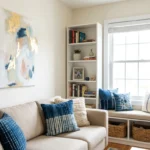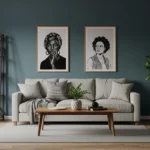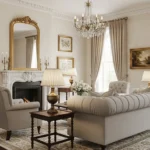
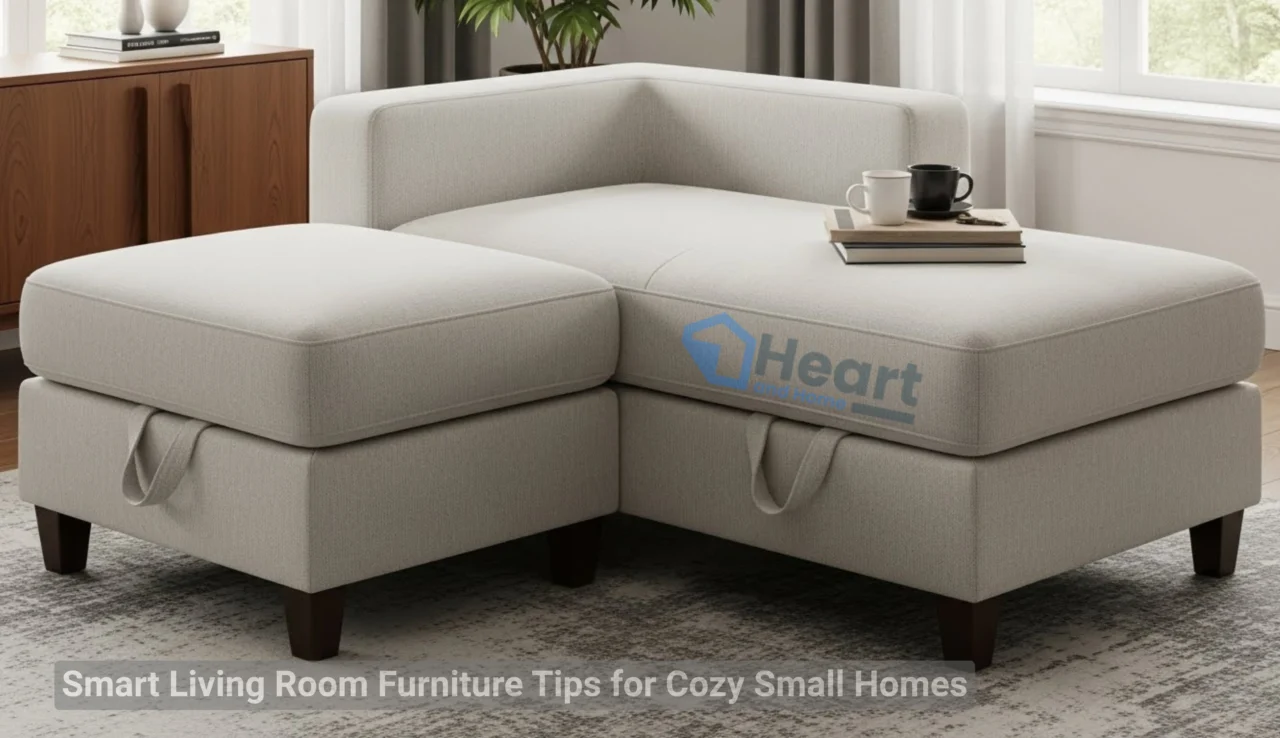
Have you ever walked into your living room after a long day and felt more stressed than relaxed, That’s how I felt in my first tiny apartment. The sofa took up half the space, the coffee table blocked the path to the kitchen, and forget about having friends over it felt like playing Tetris with furniture. But here’s the good news you don’t need a bigger home to create a cozy, inviting living room. With some smart choices, your small space can become the heart of your home, a place where you actually want to unwind.
Understand Your Space Comes First
Before you buy anything new, take a moment to really look at your living room. Grab a tape measure and note the dimensions length, width, doorways, windows, and any awkward corners. I once bought a sofa that looked perfect online, only to discover it wouldn’t fit through the door. Lesson learned!
Think about how you use the room. Do you watch TV mostly, host game nights, or curl up with a book? This helps you prioritize. In small homes, every piece needs to earn its spot. Sketch a quick floor plan on paper or use a free app to visualize arrangements. This simple step saves you from costly mistakes and ensures your furniture fits both physically and functionally.
Multi-Functional Furniture Changes Everything
The real heroes in small living rooms are pieces that do more than one job. A storage ottoman, for example, serves as a coffee table, extra seating, and hidden storage for blankets or remotes. I have one in my current setup, and it’s a game-changer no more scrambling to hide clutter when guests arrive.
Sofa beds or sectionals with pull-out sections give you a guest bed without dedicating space to it full-time. Nesting tables tuck away when not needed, and wall-mounted drop-leaf tables can become a workspace or dining spot in seconds. These options keep your room versatile without feeling cramped.
Here’s a table comparing some popular multi-functional furniture types to help you choose:
| Furniture Type: | Key Benefits: | Potential Drawbacks: | Best For: |
|---|---|---|---|
| Storage Ottoman | Seating + table + storage | May not be as sturdy as a full table | Central spot, blanket/remote storage |
| Sofa Bed | Daily seating + occasional guest bed | Heavier to move, mattress comfort varies | Homes that host overnight guests |
| Nesting Tables | Flexible surfaces, easy to store | Smaller surface area individually | Side tables for lamps or drinks |
| Wall-Mounted Fold-Down Table | Saves floor space completely when folded | Limited weight capacity | Occasional desk or dining |
| Sectional with Chaise Storage | Ample seating + hidden compartments | Takes more wall space | Family lounging with toy storage |
Arrangement makes or breaks a small living room. Start by floating furniture away from walls if possible it sounds counterintuitive, but it creates better flow and makes the space feel larger. Angle your sofa to define zones, like separating the lounging area from a reading nook.
Keep pathways clear at least 3 feet wide for main walkways. Place larger pieces first, then fill in with smaller ones. In my experience, facing seats toward each other encourages conversation and feels cozier than everything pointed at the TV.
| Room Shape: | Recommended Layout: | Why It Works: | Pro Tip: |
|---|---|---|---|
| Square | Symmetrical with sofa against one wall, chairs opposite | Balances the space evenly | Add a round rug to soften edges |
| Long and Narrow | Sofa along long wall, slim console behind | Creates zones without blocking flow | Use mirrors on short walls to widen |
| L-Shaped | Sectional in the corner, accent chair to fill the L | Maximizes corner space | Float a small table in the center |
| Open Plan | Rug to define living area, backless bench as divider | Separates without closing off | Match bench height to sofa for cohesion |
Light colors reflect natural light and make walls recede, instantly opening the room. Go for soft neutrals like warm grays, beiges, or pale blues. Add depth with textures—think knitted throws or velvet cushions rather than bold patterns that can overwhelm.
Lighting layers create that cozy glow. Combine overhead lights with floor lamps, table lamps, and even string lights for evenings. Warm bulbs (around 2700K) feel inviting, while dimmers let you adjust for movie nights or reading.
Don’t forget mirrors they bounce light around and add depth. Place one opposite a window for maximum effect.
Vertical Thinking Maximizes Storage
In small homes, the floor is precious, so look up. Floating shelves or tall bookcases draw the eye upward, making ceilings feel higher. Use them for books, plants, or decorative baskets that hide odds and ends.
Wall-mounted TV units free up surface space below for storage baskets. Curved shelves soften the look and fit awkward corners better than straight ones.
Curves and Soft Shapes Add Warmth
Sharp angles can make a small room feel boxy and harsh. Curved furniture sofas, chairs, or rounded coffee tables softens the space and improves traffic flow. They guide movement naturally and feel more welcoming.
Pair curves with soft fabrics like bouclé or linen for extra coziness. This trend has stuck around because it just works, especially in compact areas.
Embracing Styles That Suit Small Spaces
Certain styles naturally lend themselves to cozy small homes. Japandi, blending Japanese minimalism with Scandinavian warmth, uses low furniture, natural woods, and plenty of negative space. It keeps things calm and uncluttered.
Scandinavian focuses on functionality and light. Bohemian adds personality through textiles without needing much floor space. Choose what resonates with you your living room should reflect your life.
Sustainable and Smart Updates for 2026
What’s new and exciting? More people choose eco-friendly materials like reclaimed wood or recycled fabrics these add character and reduce environmental impact. Look for certifications to ensure they’re truly sustainable.
Subtle smart integration fits small spaces perfectly. Voice-controlled lights or a compact smart speaker tucked on a shelf add convenience without clutter. Adjustable-height coffee tables that double as desks support hybrid work lifestyles emerging stronger post-pandemic.
These choices future-proof your cozy setup while keeping it personal and warm.
Mistakes That Make Small Rooms Feel Smaller
We’ve all made them. Oversized furniture dominates and blocks light. Too many accessories create visual chaos edit ruthlessly. Dark walls without enough lighting close in the space.
Pushing everything against walls can make the center feel empty and awkward. And forgetting rugs they anchor furniture and add warmth underfoot.
FAQs
What’s the best sofa size for a small living room?
Aim for 70-80 inches long. Apartment-sized or loveseat options work great, and always measure your doorways first.
How can I make my small living room feel cozy without clutter?
Layer textures with throws, cushions, and rugs. Add plants for life and warmth, and use warm lighting to create that inviting glow.
Are sectionals good for small spaces?
Yes, if you choose a compact or modular one. Place it in a corner to maximize seating without overwhelming the room.
What colors should I avoid in a small living room?
Steer clear of very dark shades on all walls they absorb light. If you love bold colors, use them as accents on one wall or through accessories.
How do I add storage without making the room feel busy?
Opt for built-ins, under-sofa drawers, or stylish baskets on shelves. Keep surfaces clear and choose furniture that hides things away neatly.
Can I mix styles in a small living room?
Absolutely! A neutral base lets you mix Scandinavian clean lines with bohemian textiles for personality without chaos.
What’s a budget-friendly way to update my small living room?
Start with paint, new cushions, and rearranged furniture. Add affordable plants or thrifted art for instant freshness.