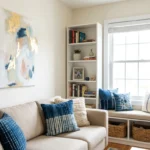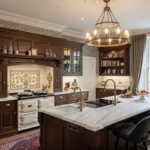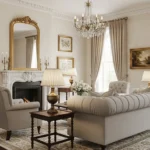
We’ve all walked into a room that just feels right. It’s not necessarily the most expensive furniture or the biggest windows that make the difference. It’s that intangible sense of warmth, the kind that makes your shoulders drop an inch and makes you want to curl up and stay awhile. That feeling is “coziness,” and contrary to popular belief, you don’t need a massive renovation budget to get it.
Creating a cozy home décor is less about buying new things and more about how you engage the senses. It’s about the psychology of space how lighting affects your mood, how textures invite touch, and how layout influences conversation.
The “Triangle of Light” Hack
The biggest killer of coziness is the “big light” that single, harsh overhead fixture that flattens a room. The hack here isn’t just “add lamps”; it is about where you place them. Designers use a technique called the Triangle of Light.
To achieve this, place three light sources in a triangle formation across the room. For example, a floor lamp in one corner, a table lamp on a side table across the room, and a picture light or sconce on a third wall. This eliminates harsh shadows and creates a soft, encompassing glow.
Pro Tip: Pay attention to “Color Temperature.” For a cozy living room, never buy bulbs labeled “Daylight” (5000K). Instead, look for “Warm White” (2700K – 3000K) on the box. This specific Kelvin rating mimics the golden hour sunlight, instantly relaxing the brain.
The 3-Layer Texture Rule:
Have you ever looked at a catalog photo and wondered why their sofa looks inviting while yours looks flat? The secret is texture layering. A room with only one texture (like a leather sofa on a wood floor) feels cold and slippery.
Use the 3-Layer Rule to fix this instantly:
-
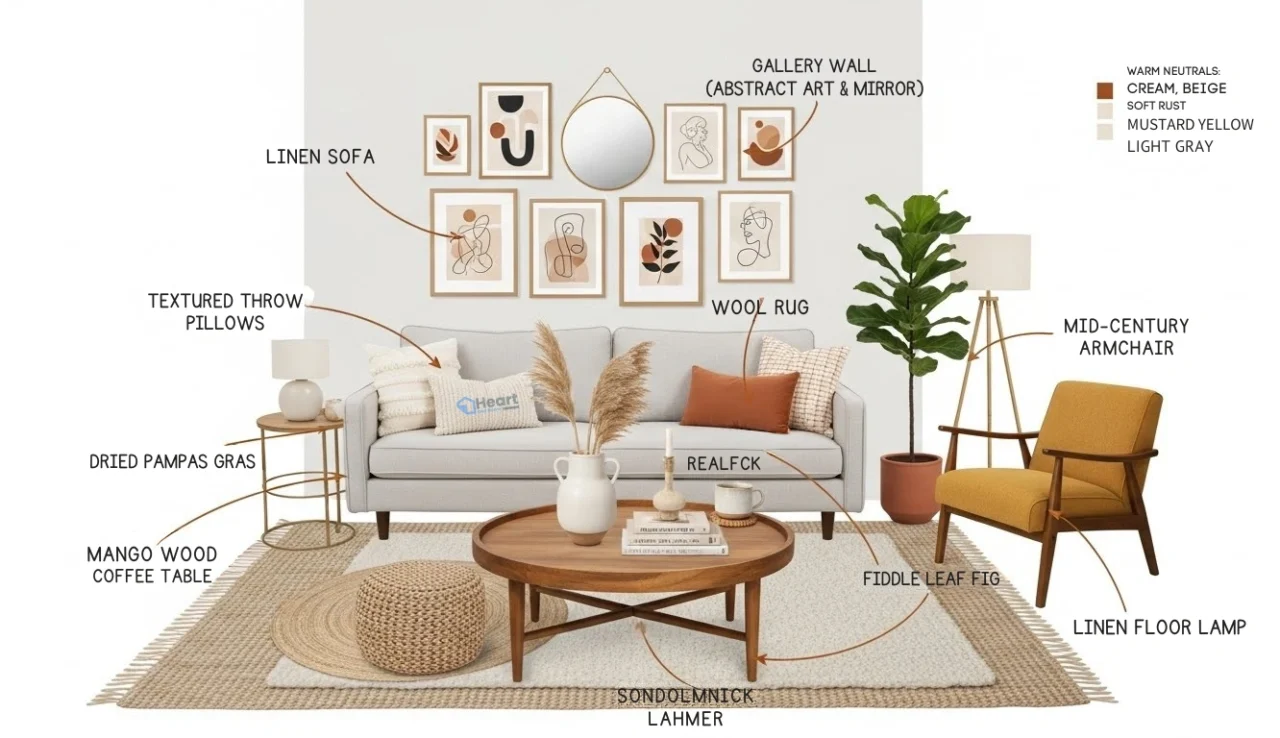
The Base: A solid, grounding material (e.g., a jute or wool rug).
-
The Bridge: A soft, transitional material (e.g., a velvet sofa or linen curtains).
-
The Pop: A high-contrast texture (e.g., a chunky knit throw, a faux fur pillow, or a boucle ottoman).
By mixing rough, smooth, and fluffy textures, you create visual depth that subconsciously signals comfort to the brain.
Scent Scaping Your Sanctuary
We often decorate for our eyes but ignore our noses. “Scent-scaping” is a 2025 design trend where you use fragrance to define the mood of different “zones” in your home. This is a powerful hack because the olfactory system is directly linked to the brain’s emotional center.
-
The Entryway: Use bright, welcoming scents like citrus or bergamot. It signals “freshness” as soon as you walk in.
-
The Living Room: Opt for subtle, grounding scents like sandalwood, cedar, or vanilla. These encourage lingering and conversation.
-
The Bedroom: Switch to lavender or eucalyptus to signal to your body that it is time to wind down.
The “Floating Furniture” Layout

One of the most common mistakes people make is pushing all their furniture against the walls to “make the room look bigger.” Paradoxically, this creates a “dance floor” in the middle of the room that feels awkward and disconnected.
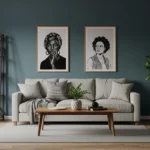
For a cozier vibe, pull your furniture away from the walls. “Float” your sofa a few inches (or feet!) into the room. Place an area rug under the front legs of your seating to anchor the arrangement. This creates an intimate conversation zone rather than a waiting room atmosphere.
Biophilic Design on a Budget
Bringing nature inside (Biophilic Design) reduces stress, but giant fiddle leaf figs are expensive and hard to keep alive.
Buy a set of small, inexpensive glass wall vases or test tubes. Take cuttings from a friend’s plant (pothos and philodendrons are nearly unkillable) and root them in water. The combination of green life, clear water, and glass catching the light adds a delicate, living element to your walls for almost zero cost.
Rug Layering for Instant Warmth
If you have boring wall-to-wall carpet or cold rental tiles you can’t change, try Rug Layering. Start with a large, inexpensive natural fiber rug (like jute or sisal) as your base layer to cover the maximum floor space. Then, layer a smaller, patterned vintage or faux-cowhide rug on top at an angle.
This adds instant pattern and softness without the cost of a massive Persian rug. Plus, it defines the seating area much more effectively than a single small rug floating in space.
| Sensory Element: | The Problem (Cold Space): | The Fix (Cozy Hack): |
| Lighting | Single overhead light; “Daylight” bulbs (5000K). | Triangle of Light method; “Warm White” bulbs (2700K). |
| Texture | Flat, matching surfaces (e.g., all leather, all wood). | Mix 3 Textures: Rough (Jute), Smooth (Velvet), Fluffy (Wool). |
| Smell | Stale air or chemical cleaners. | Scent-Scape: Vanilla/Wood for living areas, Citrus for entry. |
| Sound | Echoey, hollow acoustics. | Add Soft Goods: Heavy curtains, thick rugs, and canvas art to absorb sound. |
| Space | Furniture pushed against walls. | Float Furniture: Pull pieces in to create intimate conversation circles. |
FAQs
Q: How can I make my rental apartment cozy without painting?
A: Focus on lighting and textiles. Since you can’t change the walls, change what hangs on them. Use large tapestries or peel-and-stick wallpaper to warm up white walls. Swap out the harsh standard light bulbs for warm-toned smart bulbs, and layer rugs to cover cold flooring.
Q: Can a minimalist home still feel cozy?
A: Absolutely. This style is often called “Warm Minimalism” or “Japandi.” The key is to keep the color palette neutral but dial up the texture. Think plaster walls, bouclé fabrics, unfinished wood, and ceramics. You don’t need clutter to be cozy; you just need warmth in your materials.
Q: What is the cheapest way to make a room look expensive and cozy?
A: The “Bookcase styling” hack. Remove paper jackets from hardcovers for a uniform look. Group books by color or size, and leave 30% of the shelf empty for “breathing room.” Add a small lamp or a plant to the shelf. This styled look costs nothing but makes a huge visual impact.
Q: How do I choose the right size rug?
A: A rug that is too small makes a room look cheap and disjointed. A good rule of thumb: The front legs of all your furniture in the seating cluster should sit on the rug. If you can’t afford a massive vintage rug, buy a large, cheap jute rug and layer a smaller, nicer rug on top.