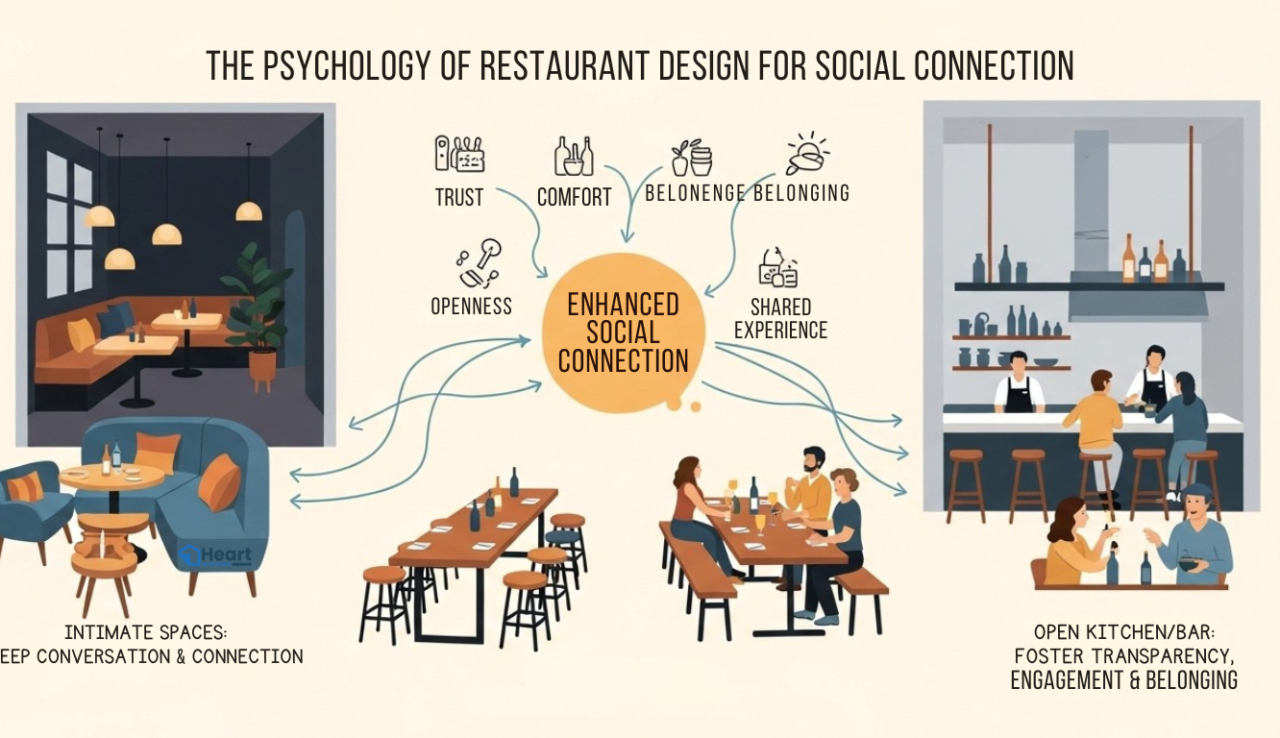
Every restaurant tells a story through its physical space. The psychology of restaurant design for social connection examines how these spaces shape human bonding and interaction. When you walk into a dining establishment, the environment communicates with you before anyone speaks a single word.
Tables, lighting, colors, sounds and scents all work together to influence how people connect over meals. Restaurant owners who grasp these principles build spaces where meaningful relationships develop naturally. This guide explores the science behind restaurant spaces that bring people together and encourage genuine human connection.
The Third Place Theory and Restaurant Spaces
Sociologist Ray Oldenburg introduced the term “third places” in 1989. He used it to describe gathering spots beyond home and work. Restaurants, cafes and bars stand as primary examples of these essential community spaces.
The US Surgeon General now identifies loneliness as a public health epidemic. Restaurants designed with social connection in mind serve as vital antidotes to this growing isolation.
Researchers studying Hong Kong tea restaurants discovered that social interactions with staff and customers reduced loneliness among senior patrons. The physical design of these spaces made those beneficial interactions possible.
Key characteristics of effective third place restaurants include:
- A welcoming atmosphere that feels accessible to all visitors
- Affordable options that encourage regular visits
- Comfortable environments that support extended stays
- Opportunities for interaction with staff and other patrons
- Familiar settings that feel like extensions of home
Seating Arrangements and Social Interaction Pattern
The layout of tables and chairs determines how guests interact with companions and fellow diners. Where you place furniture influences conversation quality, comfort levels and overall social satisfaction.
Ceiling Height Effects:
Low ceilings create intimacy and encourage personal conversations. High ceilings promote social openness and animated group discussions. Cozy bistros typically feature lower ceilings while grand dining halls use soaring spaces.
The 90-Degree Seating Advantage:
Banquettes positioned at 90-degree angles create optimal conversation conditions. This arrangement lets diners lean toward companions naturally while keeping sight lines to the broader room.
Table Dimensions:
Table width directly impacts natural conversation behavior. Tables sized correctly accommodate instinctive leaning toward connection. Tables that stretch too wide force guests to strain or raise their voices.
Circular Versus Linear Tables:
Round tables promote democratic conversation with no authority positions. Linear arrangements create natural hierarchies with head-of-table dynamics.
Cultural Considerations in Spacing:
Human comfort with interpersonal distance varies dramatically across cultures. Effective restaurant design accounts for these proxemic relationships. Some cultures prefer closer seating while others require more personal space between tables.
Effective seating design principles include:
- Varied options for different social occasions
- Proper spacing between tables for privacy
- Comfortable chairs that encourage longer stays
- Flexible arrangements for different group sizes
- Clear pathways that avoid disrupting seated guests
- Cultural sensitivity in spacing decisions
Color Psychology in Restaurant Environments
Color selection stands as one of the most powerful tools for influencing social atmosphere. Different hues trigger specific emotional responses that shape guest behavior and connection.
Warm Colors like Red, Orange and Yellow:
These colors stimulate appetite and encourage animated conversation. They increase energy levels and create lively social atmospheres. Fast-casual and family restaurants commonly use warm palettes. Red specifically increases heart rate and creates urgency. This explains why fast-food chains favor it so heavily.
Cool Colors like Blue, Green and Purple:
Cool colors produce calming effects that encourage relaxation and longer stays. They reduce anxiety and support intimate personal sharing. Blue suppresses appetite and promotes calmness, making it suitable for seafood restaurants. Green signals freshness and health, which explains its popularity in vegetarian establishments.
Earth Tones and Natural Colors:
Natural colors create feelings of authenticity and comfort. Green signals health and freshness. Plants placed in restaurant spaces communicate care for guest wellbeing.
Neutral Palettes like White, Gray, Black and Beige:
Neutrals create sophisticated environments where food and interaction take center stage. White conveys cleanliness while black communicates luxury.
Color selection guidelines for social dining:
- Match colors to your intended social energy levels
- Use warm tones for lively gathering spaces
- Apply cool tones for intimate conversation venues
- Add natural elements for authentic atmosphere
- Balance bold accents with calming base colors
- Consider cultural color associations for your audience
| Design Element | Social Impact | Best Application | Psychology Behind It |
|---|---|---|---|
| Communal Tables | Encourages stranger interaction | Casual dining and cafes | Proximity creates conversation opportunity |
| Private Booths | Creates intimacy and safety | Date nights and business meals | High backs provide psychological boundaries |
| Round Tables | Promotes equal conversation | Group celebrations | Eliminates hierarchy or authority position |
| Low Lighting | Encourages personal sharing | Fine dining and wine bars | Dimness signals safety and intimacy |
| Bright Lighting | Increases energy and turnover | Breakfast spots and fast-casual | Alertness promotes efficiency |
| Warm Colors | Stimulates appetite and talk | Family restaurants | Increases arousal and energy |
| Cool Colors | Promotes calm and longer stays | Coffee shops and fine dining | Reduces anxiety |
| Background Music | Creates privacy buffer | Most restaurants | Masks neighboring conversations |
| Open Kitchen | Builds trust and shared focus | Community restaurants | Transparency strengthens bonds |
| Natural Materials | Promotes comfort | Farm-to-table concepts | Nature reduces stress |
| Sound Absorption | Enables comfortable conversation | All restaurants | Reduces strain and frustration |
| Pleasant Aromas | Stimulates appetite and memory | Full-service restaurants | Scent triggers emotional responses |
| Live Plants | Creates welcoming atmosphere | Health-conscious venues | Biophilic design reduces stress |
Lighting Design and Social Atmosphere
Lighting stands as perhaps the most influential element in restaurant social psychology. Research shows that lighting affects mood, behavior and even how food tastes.
Daytime to Evening Transitions:
Morning brightness supports quick meetings and efficient service. Evening warmth creates intimate atmospheres perfect for lingering conversations. Smart restaurants adjust their lighting throughout the day to match these shifting needs.
Social Zoning Through Light:
Bright areas near windows attract quick lunch patrons. Softly lit corners become destinations for intimate gatherings. A single restaurant can serve multiple social functions through strategic lighting zones.
Intimacy and Light Levels:
Soft, warm lighting encourages people to lean closer and speak more softly. This proximity enhances trust and connection between diners. Harsh lighting makes guests feel exposed and stops natural conversation from flowing.
Food Presentation Enhancement:
Proper lighting makes food appear more appetizing. Warm, soft lighting highlights the colors and textures of dishes. Fine dining establishments use lighting specifically to enhance the visual appeal of their plates.
Essential lighting considerations include:
- Dimmable systems for daytime-to-evening transitions
- Warm color temperatures between 2700K and 3000K for social spaces
- Layered lighting that combines ambient, task and accent sources
- Candlelight or Edison bulbs for intimate areas
- No harsh overhead fluorescent fixtures
- Strategic highlighting of food presentation areas
Acoustic Design for Conversation
The acoustic environment fundamentally shapes social experiences in restaurants. Poor acoustics undermine the core purpose of dining out together.
The Lombard Effect:
Rising background noise causes guests to raise their voices. This creates a feedback loop of escalating volume. Some restaurants reach 94 to 102 decibels during peak hours. That equals the noise level of standing near a motorcycle.
Optimal Sound Levels:
Acoustic experts identify 60 to 65 decibels as ideal for restaurants. This range allows comfortable conversation while maintaining pleasant ambient energy.
Music Tempo and Behavior:
Fast-tempo music encourages quicker eating and higher turnover. Slower music encourages lingering and additional orders. Your music selection should align with your restaurant goals and concept.
The Privacy Benefit of Background Noise:
Appropriate background sound actually enhances privacy. When guests cannot overhear neighbors, they feel more comfortable having personal conversations.
Acoustic solutions for better social connection:
- Sound-absorbing panels on walls and ceilings
- Soft furnishings including upholstered seating
- Carpet or rugs that reduce floor reflection
- Strategic background music at appropriate levels
- Fabric treatments and curtains for sound dampening
- Coffered ceilings that absorb horizontal sound
The Power of Scent in Restaurant Psychology
Aroma plays a crucial yet often overlooked role in dining experiences. Scent directly influences appetite, emotions and memory formation in ways other senses simply cannot match.
Appetite Stimulation Through Aroma:
The smell of freshly baked bread or brewing coffee entices customers from the street. Aromas of sizzling meats influence diners to order more substantial meals. Placing strategic scent sources near entrances draws guests inside.
Memory and Emotional Connection:
Scent ties closely to memory formation in the brain. The smell of particular dishes can transport guests back to childhood or special occasions. Restaurants can develop signature scents that become associated with their brand over time.
Negative Scent Management:
Unpleasant odors from kitchens, restrooms or cleaning products destroy dining atmosphere instantly. Proper ventilation and scent management protect the social environment you work so hard to create.
Effective scent strategies include:
- Fresh bread or pastry aromas near entrances
- Coffee scents in morning service areas
- Herb and spice aromas in cooking areas
- Clean, neutral scents in restrooms
- Signature scent development for brand identity
- Proper ventilation that prevents odor mixing
Food Presentation and Visual Psychology
Guests eat with their eyes before food reaches their mouths. Visual presentation significantly impacts taste perception and overall dining satisfaction.
The First Bite Happens Visually:
Beautifully presented dishes enhance expectations and influence taste perception. Color contrast, height and arrangement all affect how guests experience flavors.
Plate Selection Psychology:
Plate color affects perceived taste. White plates make food appear more vibrant. Larger plates can make portions seem smaller. The weight and quality of dinnerware communicates value to guests.
Instagram-Worthy Design:
Social media has made visual presentation more important than ever before. Photogenic dishes provide free marketing when guests share them online. This extends social connection far beyond the physical table.
Visual presentation principles:
- Color contrast between food and plates
- Height and dimension in plating
- Appropriate portion-to-plate ratios
- Quality dinnerware that matches your concept
- Photogenic elements that encourage sharing
- Consistent presentation standards across all dishes
Staff Behavior and Social Atmosphere
Staff interactions significantly impact guest satisfaction and social comfort. The human element of service creates emotional connections that design alone simply cannot achieve.
Communication Style:
The tone, volume and warmth of staff communication sets atmospheric standards. Friendly, attentive service enhances social atmosphere. Loud or negative staff interactions destroy dining comfort immediately.
Anticipation and Timing:
Well-trained staff anticipate guest needs without interrupting conversations. Proper service timing respects social dynamics at the table. Rushed or intrusive service disrupts the connection guests came to enjoy.
Personalization and Recognition:
Remembering regular customers creates belonging and loyalty. Personal touches transform ordinary meals into memorable experiences. Staff who learn names and preferences build genuine community.
Staff training priorities for social connection:
- Warm and genuine greeting protocols
- Reading table dynamics and timing service accordingly
- Awareness of voice modulation
- Memory for regular guest preferences
- Non-intrusive service techniques
- Conflict resolution that protects atmosphere
Communal Dining Design Psychology
Communal tables have made a strong comeback in contemporary restaurants. Long shared tables reflect deep understanding of human social needs and ancient dining traditions.
Historical Foundations:
Communal dining spans from Roman banquets through medieval halls to monastery feasts. These traditions recognized that shared meals create powerful community bonds.
Proximity Benefits:
Physical closeness creates opportunities for conversation and trust. Research shows that sharing meals enhances happiness and sense of belonging.
Practical Advantages:
Communal tables offer efficient space utilization. Larger parties typically spend more, which increases revenue. Guests who enjoy communal atmosphere develop strong loyalty to establishments that offer it.
Effective communal table design features:
- Benches on one side with chairs on the other for variety
- Adequate spacing for personal conversation zones
- Comfortable seating that encourages extended stays
- Appropriate table width for cross-table interaction
- Subtle indentations that create psychological boundaries
Privacy Considerations in Social Design
Effective restaurant design balances social connection with privacy needs. Research shows guests prefer locations with privacy and views over high-traffic exposed areas.
Personal Space Requirements:
Tables positioned too closely create feelings of intrusion. Guests in cramped conditions eat quickly and leave sooner. Keeping minimum 42 to 48 inches between table edges supports comfort.
Gender Differences:
Women typically feel less comfortable in tight quarters than men do. Thoughtful design offers varied seating options that allow self-selection based on personal comfort levels.
Visual Barriers:
Planters, partial walls and varied seating heights create psychological comfort. These elements provide protection while maintaining connection to room energy.
Privacy-enhancing design elements include:
- Strategic placement of planters and screens
- Booth options for guests who seek enclosure
- Varied ceiling heights that create distinct zones
- Adequate table spacing throughout the room
- Window seating for guests who prefer views
Biophilic Design and Nature Connection
Biophilic design brings natural elements into built environments. This approach creates spaces that reduce stress and enhance social comfort through connection to nature.
The Science of Nature Connection:
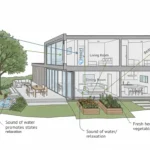
Humans have an innate attraction to natural environments. Exposure to nature elements reduces cortisol levels and blood pressure. Lower stress creates better conditions for social bonding between guests.
Living Plants in Restaurant Spaces:
Indoor plants improve air quality and create visual warmth. Greenery signals health consciousness and care for guest wellbeing. Living walls and potted plants soften industrial spaces effectively.
Natural Materials:
Wood, stone, bamboo and natural fibers communicate authenticity. These materials create tactile warmth that synthetic surfaces simply cannot match. Natural materials age gracefully and add character over time.
Natural Light Integration:
Large windows connecting interior design to exterior reduce artificial feeling. Natural light variation throughout the day creates dynamic atmosphere. Views of nature enhance dining satisfaction significantly.
Biophilic design implementation strategies:
- Living plant installations at various heights
- Natural wood tables and seating
- Stone or natural tile flooring
- Large windows that maximize natural light
- Water features for sound and visual interest
- Natural fiber textiles and upholstery
- Views of outdoor greenery where possible
Technology Integration in Modern Restaurant Psychology
Technology increasingly shapes restaurant experiences and social dynamics. Thoughtful integration enhances connection while poor implementation creates barriers between people.
Digital Menu Considerations:
menus offer flexibility but can reduce staff interaction. QR code menus decrease table touches but increase phone usage. You need to balance technology convenience with human connection opportunities.
Ambient Technology:
Smart lighting systems enable seamless daytime-to-evening transitions. Sound systems with zoning capabilities create distinct atmospheric areas. Climate control technology maintains optimal comfort automatically.
Social Media Integration:
Instagram-worthy design elements encourage organic sharing. Photo opportunities extend social experience beyond physical guests. User-generated content provides authentic marketing for your restaurant.
Personalization Through Data:
Reservation systems can track guest preferences for personalized service. Loyalty programs remember favorite dishes and seating preferences. Data enables anticipation of guest needs before they even ask.
The Technology Balance:
Too much technology creates cold, impersonal environments. Too little technology may frustrate modern guests. The goal remains enhancing human connection rather than replacing it.
Technology integration guidelines:
- Preserve human interaction opportunities
- Use technology to enhance service rather than replace it
- Create shareable visual moments
- Implement smart environmental controls
- Track preferences for personalization
- Maintain warmth despite digital elements
- Offer technology options without making them requirements
FAQs
What colors work best for social dining?
Warm colors like terracotta, soft red and golden yellow encourage conversation for lively gatherings. Cool colors like blue and green support intimate personal conversations for quieter venues.
How much space should exist between tables?
Research suggests keeping 42 to 48 inches minimum between table edges. This allows focus on companions without neighbor intrusion. Spacing beyond 60 inches can make restaurants feel empty.
Why do modern restaurants feel so loud?
Industrial aesthetics and hard surfaces create reflective acoustic environments. Sound bounces rather than absorbing into surfaces. Sound-absorbing materials solve this problem without sacrificing style.
Does lighting affect how food tastes?
Research confirms that lighting influences taste perception. Proper lighting enhances visual presentation, which affects flavor expectations. The mood created by lighting colors the entire dining experience.
How do scents influence the dining experience?
Aromas directly stimulate appetite and trigger emotional memories. Pleasant scents enhance mood and create positive associations with the restaurant brand that bring guests back.
Do communal tables actually help strangers connect?
Yes, when you design them properly with adequate spacing, comfortable seating and appropriate noise control. Poor design creates awkwardness rather than connection.
What role do plants play in restaurant design?
Living plants reduce stress, improve air quality and signal health consciousness. Biophilic design elements create welcoming environments that support social comfort naturally.
How can small restaurants maximize social connection?
Use mirrors to create visual spaciousness. Choose lighter colors for walls. Prioritize excellent acoustics above almost everything else. Implement flexible furniture arrangements that accommodate different configurations.
The End
The psychology of restaurant design for social connection recognizes that dining establishments serve purposes far beyond food service. They function as essential community spaces where friendships form, relationships deepen and strangers discover common ground. Every design decision you make, from table placement to lighting warmth to acoustic treatment to scent selection, either supports or hinders the human connections that make dining out meaningful. Restaurant owners who master these principles create not just successful businesses but vital gathering places that nourish both bodies and souls. In an increasingly disconnected world, these spaces address our fundamental human need for belonging.