Let be real for a second. You’ve probably scrolled through hundreds of Pinterest boards, saved dozens of Instagram posts, and maybe even bookmarked a few blog posts about home décor. And yet, your living room still feels off.
Here the thing transforming your home with creative home décor ideas doesn’t require a design degree, a massive budget, or a weekend trip to a fancy furniture store. What it does require is a shift in how you think about your space.
Instead of copying someone else’s aesthetic, you need to build your own. And that’s exactly what we’re going to do in this guide.
We’ll walk through every major room, break down the principles that actually matter, and give you ideas you can start using today. No fluff. No vague advice. Just practical, creative strategies that real people use to make their homes feel alive.
Why Most Home Decor Advice Falls Flat
Most guides treat decorating like a formula. “Buy this type of rug. Paint your walls this color. Hang art at this height.” And while those tips aren’t wrong, they miss the point entirely.
Your home isn’t a math equation. It’s a living, breathing space where you eat breakfast, binge-watch shows, and occasionally dance in the kitchen at midnight.
The best decor ideas honor how you actually live not how a magazine thinks you should live.
So as you read through these ideas, keep asking yourself one question: “Does this fit my life?” If yes, go for it. If not, skip it without guilt.
Understanding Color Psychology Before You Decorate
Most home decor guides tell you which colors are “trendy” this season. But colors aren’t just visual they directly affect how you feel in a room.
Here’s how different color families work:
- Warm tones (reds, oranges, yellows) — Stimulate energy and conversation. Perfect for dining areas and kitchens where people gather.
- Cool tones (blues, greens, soft purples) — Promote calm and focus. Ideal for bedrooms and home offices.
- Neutral tones (beiges, grays, whites) — Create flexibility. They let your furniture and accessories do the talking.
Here’s a practical trick most people miss: the same color looks completely different depending on the light in a room.
A soft gray that looks gorgeous in a north-facing room might look washed out in a south-facing room with warm sunlight. Always test paint samples in your actual room, at different times of day, before committing.
Tape a large swatch to the wall and live with it for at least 48 hours. Your gut reaction on day two is usually the right one.
Start with What You Already Have
This might be the most underrated home decor strategy out there. Before you buy a single thing, take a hard look at what’s already in your home.
That old wooden ladder in the garage? It could become a beautiful blanket rack. Those mismatched vintage plates from your grandmother? They’d look stunning as wall art.
Creative home decor isn’t always about adding new things. Sometimes it’s about seeing the old things differently.
Try this quick exercise:
- Pick one room in your home.
- Remove everything that doesn’t serve a purpose or bring you joy.
- Yes, that includes the decorative bowl you’ve never liked but kept because it was a gift.
- Once the room is stripped back, you’ll see its bones — and you’ll know exactly what it needs.
Living Room: The Heart of Your Home
The living room is where life happens. It’s where you host friends, where your kids do homework on the floor, and where you collapse after a long day.
That means your living room decor needs to balance beauty with durability, and style with comfort.
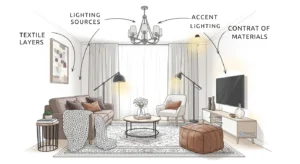
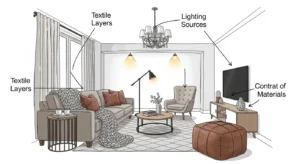
Layer Your Textiles Like a Pro:
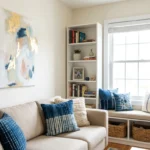
One of the fastest ways to transform a living room is through textiles throw pillows, blankets, curtains, and rugs all working together.
But here’s where most people go wrong: they match everything too perfectly.
The secret is mixing textures and patterns:
- Pair a chunky knit throw with smooth velvet pillows.
- Put a patterned rug under a solid-colored sofa.
- Mix linen curtains with a leather ottoman.
The contrast is what creates visual interest.
Rethink Your Lighting:
If your living room has a single overhead light and nothing else, you’re missing out on one of the most powerful decor tools available.
Aim for at least three light sources:
- Ambient lighting — A floor lamp or chandelier for overall warmth.
- Task lighting — A reading lamp beside your favorite chair.
- Accent lighting — Candle arrangements or LED strips behind your TV unit.
Warm bulbs in the 2700K to 3000K range create a cozy atmosphere that overhead fluorescents simply can’t match.
Create a Focal Point That Tells a Story:
Every room needs a focal point one area where the eye naturally lands. If your room doesn’t have an obvious one like a fireplace or large window, create one.
Great focal point ideas include:
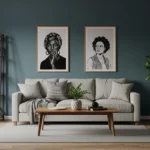
- A gallery wall of personal photos and meaningful art.
- A bold piece of oversized artwork.
- A statement bookshelf filled with curated objects.
- A uniquely styled coffee table with books and decorative items.
The key is intention. Your focal point should look like it was placed with thought, not just thrown together.
Conceal Your Technology Thoughtfully:
Visible tech clutter tangled cords, exposed routers, a giant black TV screen kills the vibe in many living rooms.
Here’s how to handle it:
- Use a TV console with doors that close to hide the screen when it’s off.
- Install cord management systems to tuck cables behind furniture.
- Try a TV art mode that displays paintings on standby.
These small steps keep your room looking intentional rather than dominated by electronics.
Bedroom: Your Personal Sanctuary
Your bedroom should be the one room that’s entirely yours. It’s not a showpiece for guests it’s your retreat.
Invest in Your Bed First:
Your bed is the visual anchor of your bedroom. High-quality bedding in natural fabrics like linen or cotton creates an inviting, lived-in look that synthetic materials can’t replicate.
Don’t underestimate the power of a good headboard either. Options include:
- An upholstered headboard in a rich fabric for instant luxury.
- A DIY headboard with reclaimed wood or fabric-wrapped foam panels.
- A large tapestry hung behind the bed.
- Curtains hung behind the headboard for a cocoon-like effect.
Use Color to Set the Mood:
Bedrooms benefit from calming palettes, but “calming” doesn’t have to mean boring. Deep greens, warm terracottas, dusty blues, and soft mauves all create a restful atmosphere with real personality.
If you’re nervous about committing to a bold wall color, start with accessories jewel-toned pillows, a richly colored throw, or curtains in a deep shade. Once you see how it feels, you can always go bolder.
Don’t Forget the Corners:
Bedroom corners are some of the most wasted real estate in any home. A bare corner is a missed opportunity.
Ideas for filling empty corners:
- A small reading nook with a comfortable chair and floor lamp.
- A tall plant fiddle leaf fig, snake plant, or monstera.
- A floor-length mirror propped against the wall to make the room feel larger.
Mirrors are one of the most effective tools for making a small room feel twice its size.
Kitchen: Where Function Meets Personality
Kitchens need to work hard. Counter space is precious, storage is essential, and everything needs to be easy to clean. But that doesn’t mean your kitchen has to look sterile.
Open Shelving Changes Everything:
Replacing a few upper cabinets with open shelves opens up the space visually and gives you a place to display beautiful items.
The trick to making it look good (and not chaotic) is editing:
- Choose a few cohesive items — matching ceramic bowls, glass jars with wooden lids, small herb pots.
- Leave plenty of breathing room between items.
- White space is just as important as the objects themselves.
Add Warmth with Natural Materials:
Kitchens are full of hard, cold surfaces. Balance that out with natural materials wherever you can:
- A wooden cutting board displayed on the counter.
- Woven baskets for fruit.
- Linen dish towels.
- A jute rug in front of the sink.
This mixing of natural and manufactured materials creates visual depth that all-one-material kitchens lack.
Think About the Details That Get Overlook:
Small upgrades make a surprisingly big difference:
- Swap builder-grade cabinet hardware for matte black pulls, brass knobs, or leather handles.
- Change your faucet to a more modern style.
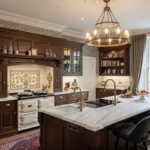
- Add a pendant light over the sink or kitchen island.
These details cost relatively little but change the entire personality of the room.
Dining Room: The Forgotten Room That Deserves Attention
Most home decor guides barely mention the dining room. That’s a shame because it’s where some of life’s best moments happen — family dinners, holiday meals, and long conversations over wine.
Make the Table the Star (But Not the Only Act):
Your dining table should anchor the room, but the supporting cast matters just as much.
A striking chandelier or pendant light hanging about 30 to 36 inches above the table creates instant drama.
Don’t be afraid to mix your seating:
- Place a bench on one side and chairs on the other.
- Mix two complementary chair styles wooden chairs at the heads, upholstered seats along the sides.
- This feels collected and personal rather than purchased as a set.
Create a Centerpiece That Evolves:
Instead of a permanent centerpiece that collects dust, create one that changes seasonally:
- Spring — A simple vase of fresh flowers.
- Summer — A bowl of lemons or fresh herbs in small pots.
- Autumn — Candles of varying heights with dried botanicals.
- Winter — Evergreen branches with pinecones.
This keeps the room feeling alive without spending much.
Don’t Ignore the Floor:
If your dining room has hard floors, a rug under the table adds warmth and defines the space.
Choose one that extends at least 24 inches beyond the table on all sides so chairs slide in and out smoothly. A flat-weave or low-pile rug is easiest to keep clean because yes, crumbs will happen.
Kids Room: Designing for Growth and Imagination
Most decor guides skip kids’ rooms entirely, which is a mistake. Kids spend more waking hours in their rooms than most adults do.
Choose Adaptable Furniture:
The biggest mistake parents make is decorating for the age the child is right now. Instead, think two to three years ahead.
Smart furniture choices:
- A convertible crib that transforms into a small bed, or a standard twin.
- Furniture in neutral tones white, natural wood, or gray.
- Let personality come through in accessories, bedding, and wall art that are cheap to swap.
Get Creative with Storage:
Kids accumulate stuff at an alarming rate. The key is making storage accessible and fun:
- Low open bins so small children can put toys away independently.
- Wall-mounted book displays with covers facing outward turns a shelf into art.
- Labeled baskets or color-coded storage cubes that teach organization.
Let Them Contribute to the Design:
Even young kids have opinions about their space. Involving them builds ownership:
- Let them choose between two or three paint color options you’re happy with.
- Let them pick a few pieces of wall art.
- Give them a chalkboard wall, corkboard, or gallery rail to display their own creations.
This teaches kids that their preferences matter and it makes the room genuinely personal.
Bathroom Small Space, Big Impact
Bathrooms are usually the smallest rooms in the house, which makes them the easiest and cheapest to transform.
Upgrade Your Textiles and Accessories:
Ditch the mismatched towels and plastic soap dispenser. Here’s what to swap in:
- A set of plush, coordinated towels in a complementary color.
- A ceramic or stone soap dispenser.
- A real glass cup for toothbrushes.
- A small tray to corral everyday items.
These tiny swaps create an immediately more polished look.
Bring in Living Elements:
Bathrooms are ideal for humidity-loving plants:
- Pothos, ferns, and air plants thrive in bathroom conditions.
- If there’s no natural light, high-quality faux plants work surprisingly well.
- A small teak bench or eucalyptus branches in the shower adds a spa-like touch.
Focus on the Mirror and Lighting:
The mirror is often the bathroom’s focal point. If yours is a plain, frameless builder mirror, consider upgrading to:
- A round mirror with a wooden frame.
- An arched mirror.
- A vintage mirror from a thrift store.
Pair it with sconces on either side far more flattering than a single overhead bar light.
Home Office: Designing for Focus and Creativity
Too many home offices feel like afterthoughts a desk shoved in a spare bedroom corner with no design thought.
Your Desk Setup Matters More Than You Think:
Your desk should inspire you. Keep it clean and well-organized with personal touches:
- A small plant.
- A favorite photo.
- A beautifully designed pen holder.
If your budget allows, a solid wood or mid-century style desk can anchor the whole room.
Art and Inspiration Boards:
Hang art that energizes you. This isn’t the room for quiet, calming landscapes (unless that’s what gets you going).
Consider:
- Bold prints or motivational typography.
- A corkboard filled with images and notes that inspire your work.
- Asymmetrical art placement it creates more visual energy and feels less corporate.
Get the Lighting Right:
Task lighting is non-negotiable. A good desk lamp with focused, adjustable light reduces eye strain and headaches.
But don’t stop there add a floor lamp or table lamp for ambient lighting so your office doesn’t feel harsh when the sun goes down.
Entryway: Making a First Impression
Your entryway sets the tone for the entire home. Even if it’s tiny, you can make it feel intentional and welcoming.
Keep It Functional and Beautiful:
Most entryways only need a few things:
- A small console table with a catch-all tray for keys.
- A mirror above it.
- A few hooks for bags and coats.
- A small plant or candle for warmth.
That’s it. Simple, functional, and welcoming.
Don’t Skip the Floor:
A good doormat or entryway rug does double duty it protects your floors and adds visual interest.
Choose something durable and easy to clean, but don’t settle for boring. Patterned rugs, colorful doormats, or layered rugs can make even a small entryway feel styled.
Outdoor Spaces Extending Your Living Area
Whether you have a sprawling backyard or a tiny apartment balcony, your outdoor space deserves the same attention as your indoor rooms.
Comfortable Seating Is Key:
Outdoor furniture has improved dramatically. Weather-resistant cushions, durable wicker-style seating, and foldable bistro sets let you create a stylish outdoor area on any budget.
Add outdoor throw pillows and a blanket for cooler evenings, and you’ve got yourself a second living room.
String Lights Are Always a Good Idea:
There’s a reason string lights are everywhere they work. Draped across a patio, strung through a pergola, or hung along a fence, they create instant atmosphere.
Go for warm white bulbs (not the multicolored party kind) for a sophisticated look.
Seasonal Decor Rotation Keep Your Home Feeling
Here’s something almost no home decor guide talks about, and it’s one of the simplest ways to keep your home feeling alive.
Why Seasonal Updates Matter:
You don’t wear the same clothes in July that you wear in December. Your home shouldn’t feel the same in every season either.
The key word is “subtle.” You don’t need to completely redecorate four times a year. Just identify a few swap-able elements and rotate them.
A Practical Seasonal Swap System:
Start with three to five elements per room that are easy to change:
- Throw pillow covers — Warm tones for autumn/winter, lighter colors for spring/summer.
- Candles and diffusers — Rotate scents with the seasons.
- Curtains — Light linen for warm months, heavier velvet for cold months.
- Throws — Lightweight cotton in summer, chunky knit in winter.
- Centerpieces — Fresh flowers, citrus, dried botanicals, or evergreen cuttings depending on the season.
Store off-season items in labeled bins so the swap takes minutes, not hours.
Holiday Decor Without the Chaos:
The best approach is to layer holiday pieces into your existing decor rather than replacing everything:
- Add a few festive throw pillows.
- Hang a wreath on the door.
- Place a themed centerpiece.
- Keep the core of your room the same.
This looks more polished, costs less, and makes cleanup much easier.
Final Thought
Your home doesn’t need to be perfect, expensive, or Instagram-worthy to be beautiful. It just needs to be yours. Every pillow you choose, every color you paint, every candle you light is a small act of making your space work for your life. Stop waiting for the “right time” or the “right budget” to start. The best time to transform your home is right now one small, intentional change at a time.